
By Eva Bezak, Convenor, Medical Physics
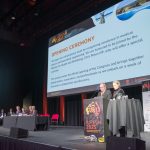
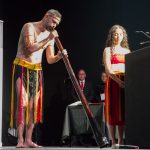
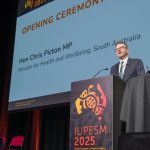
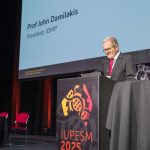
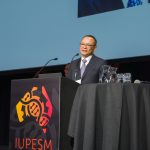
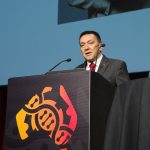
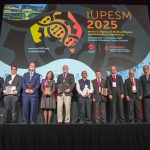
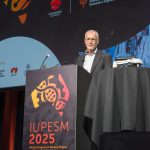
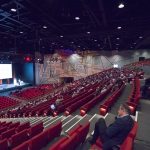
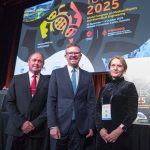
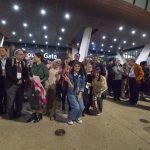
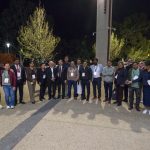
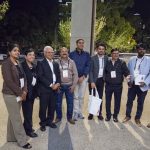
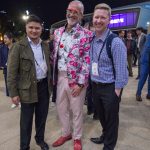
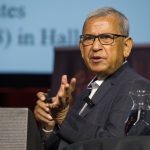
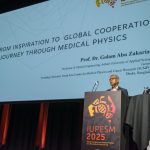
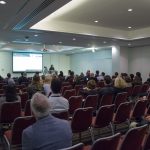
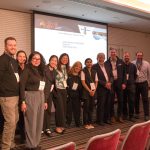
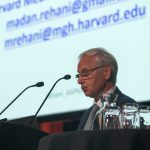
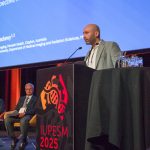
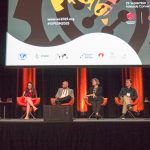
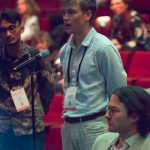
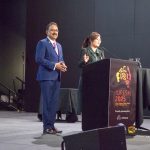
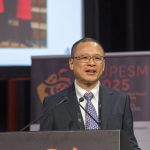
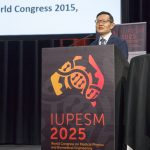
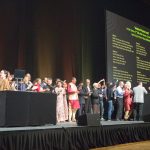
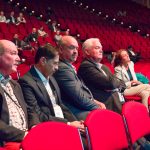
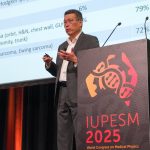
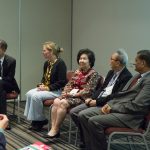
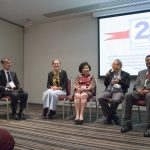
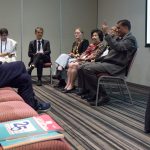
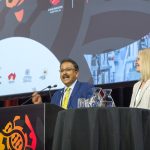
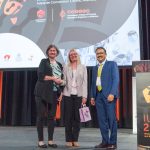
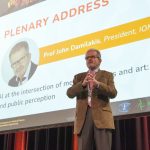
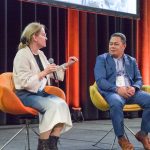
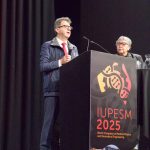
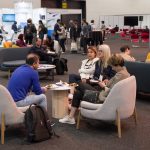
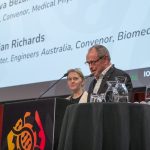
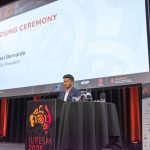
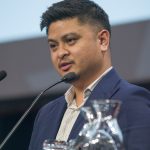
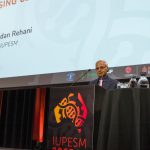
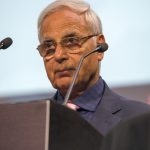
The International Union for Physical and Engineering Sciences in Medicine (IUPESM) World Congress on Medical Physics and Biomedical Engineering was held last month in Adelaide. South Australia, in collaboration with IOMP and the International Federation for Medical and Biological Engineering (IFMBE). The local hosts were Engineers Australia (EA) and the Australasian College of Physical Scientists and Engineers in Medicine (ACPSEM). The World Congress also incorporated the International Conference on Medical Physics (ICMP) and Asia-Oceania Congress of Medical Physics (AOCMP). The Congress brought together approximately 1,300 participants from around 80 countries, of which about 25 % were students and around 25 % represented low- and middle-income countries (LMICs) — reinforcing the Congress theme of “Bridging the Gap: Science, Technology, and Clinical Practice for a Sustainable World.” The countries with most participants were Australia and New Zealand, Japan, China, Japan and India. The Congress was opened by the presidents: Prof Rehani (IUPESM), Prof Damilakis (IOMP) and Prof Magjarevic (IFMBE).
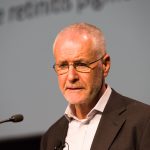
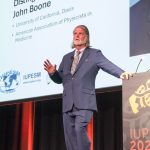
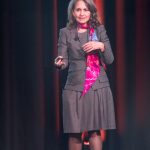
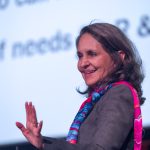
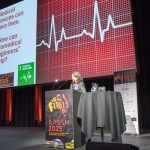
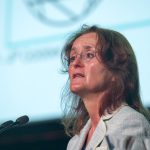
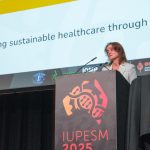
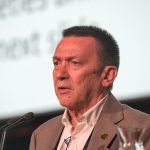
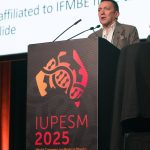
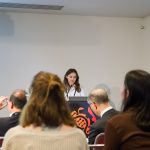
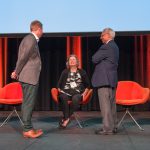
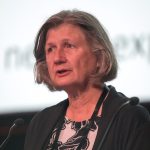
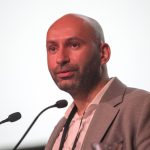
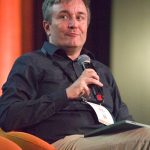
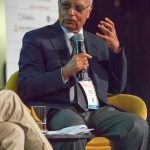
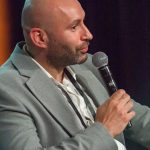
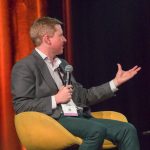
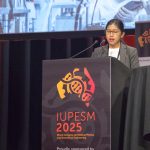
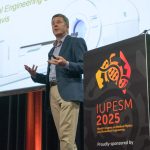
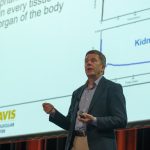
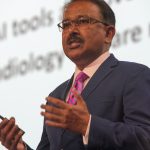
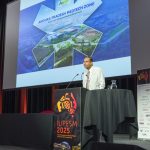
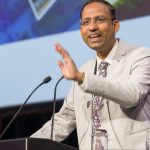
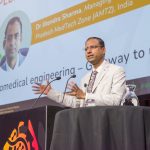
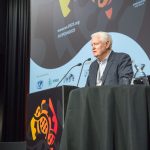
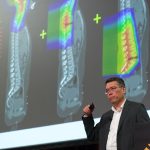
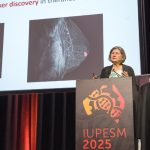
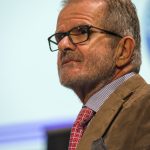
The Congress had inspiring plenary programme featuring globally recognised leaders in the field: Lars Jensen, Fiona Adshead, Simon Cherry, Jitendra Sharma, and Maryellen Giger. Their talks spanned topics from Artificial Intelligence (AI), health innovation and imaging science to sustainability and global healthcare systems, setting the tone for a week of rich scientific and professional exchange. The scientific programme encompassed 27 thematic tracks, including AI/ML in clinical practice, particle therapy and dosimetry, 3D printing and metaverse-enabled education, global health and capacity building, bio-signals and neuro-engineering, in addition to more traditional tracks of radiation oncology and clinical engineering.
Education and delivery of services in LMIC countries were also some of the main topics covered during the Congress. Workshops, IOMP school and special symposia provided education and insights, including sessions on GEANT4 modelling, radiation shielding, introduction to MRI linacs or biostatistics or even sustainable and equitable healthcare delivery or its delivery during time of disasters.
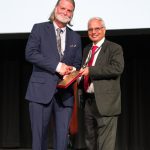
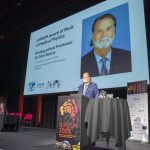
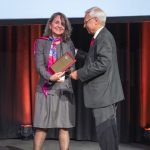
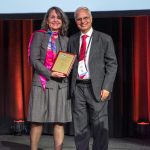
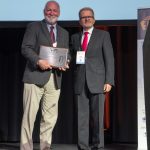
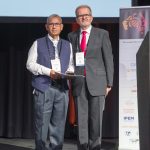
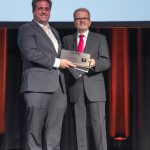
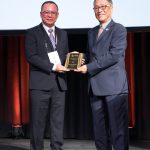
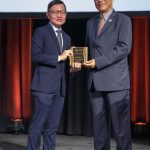
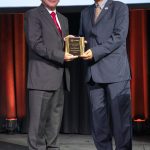
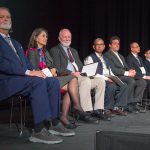
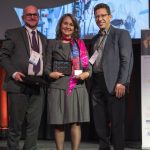
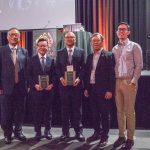
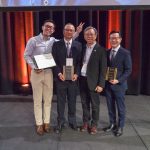
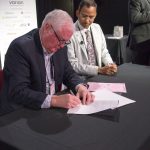
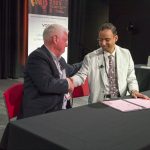
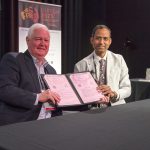
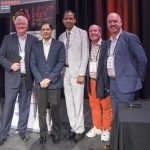
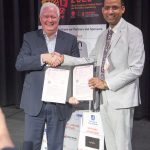
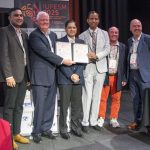
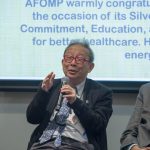
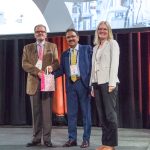
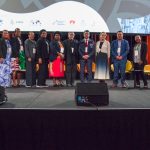
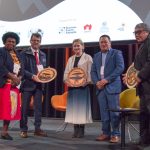
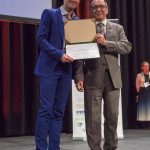
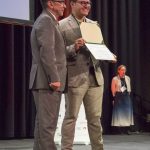
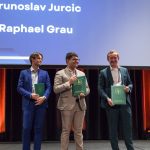
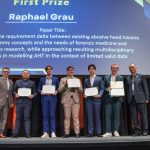
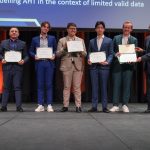
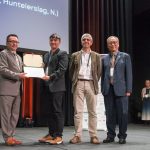
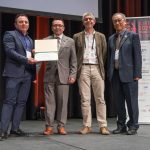
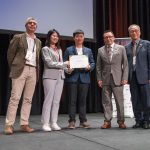
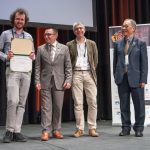
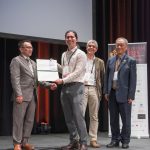
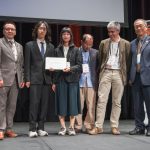
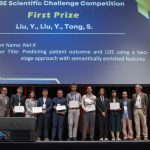
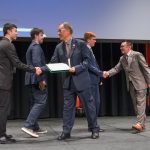
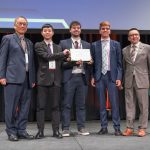
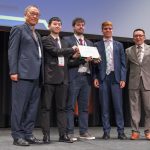
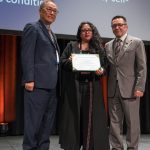
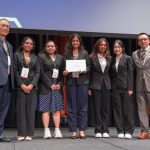
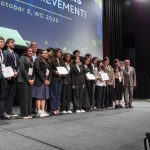
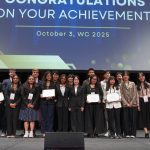
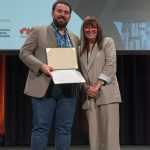
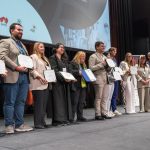
This triannual meeting is also a face-to-face time for our professional bodies, and they all (IUPESM, IOMP, IFMBE, AFOMP) held their executive committee meetings and council meetings during the Congress. Business meetings were also held with our partners, such as the International Atomic Energy Agency (IAEA), the World Health Organization (WHO) or International Society of Radiology (ISR). New Executive committees of IOMP, AFOMP and IUPESM have commenced their new terms of office at the WC2025. The Congress also celebrated many successes of numerous award winners and welcome new Fellows of our organizations, recognizing the contributions of our members to the medical physics and BME professions.
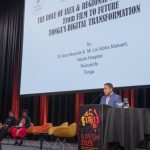
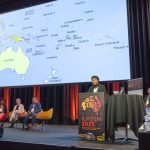
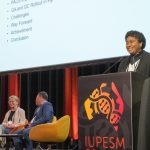
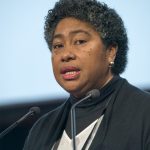
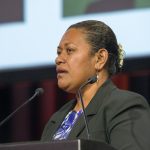
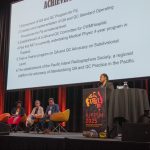
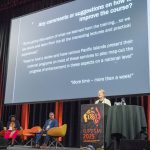
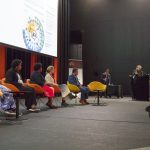
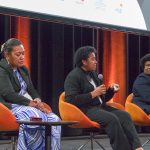
IAEA also held a regional coordination meeting for Pacific Islands during the Congress, primarily focused on medical practices and techniques applied to patients in a service delivery setting, specifically within diagnostic imaging and radiation medicine. The project has been supporting Pacific Island Member States to strengthen diagnostic imaging and radiotherapy services, with an emphasis on: quality and safety in diagnostic imaging, including optimization of radiation doses and patient protection; capacity building of health professionals (radiographers, medical physicists, radiologists, engineers) and integration of innovation and sustainability in clinical practice to improve healthcare delivery.
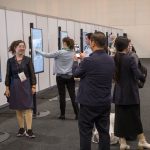
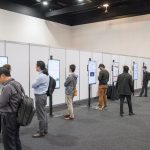
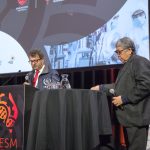
The IUPESM World Congress 2025 was such a great experience! One of the real highlights was the AI-generated interview that opened the conference. Hearing a “welcome” from Einstein, Curie, and Tesla was both clever and hilarious, and set a really fun tone for the week. From there, things just kept getting better. According to the feedback: “Every talk I went to was fantastic with so many sessions I did not have an opportunity to stop.”
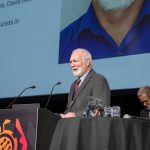
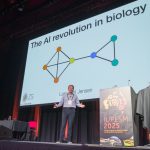
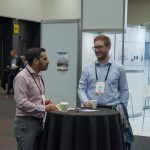
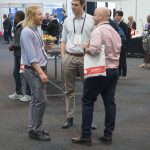
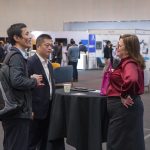
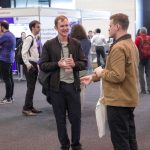
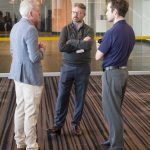
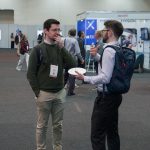
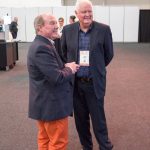
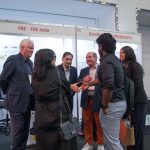
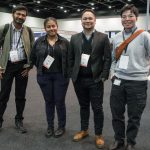
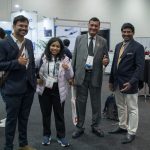
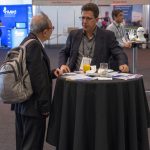
What the attendees enjoyed most was the mix of people and perspectives. Hearing from physicists, engineers, and clinicians from all over the world really reminded me how much we can learn from each other. They could also pick up some great tips from Lars Jensen on giving better presentations and using social media as scientists.
The IOMP president’s dinner was hosted in the House of Sir William Henry Bragg – the discoverer of the Bragg peak – the foundation of particle therapy for cancer – so we could also reminisce on another giant of physics and a translation of a physical discovery into a medical technology.
But of course, the success does not happen by itself and the Congress Organizers with to extend their warmest thanks and appreciation to all the organisations, committees, sponsors, and exhibitors whose efforts made this Congress such a success:
Committees: Our sincere thanks to the Congress Organising Committee, International Advisory Committee, Scientific Committee, Social & Networking Committee, Sponsorship & Exhibitor Committee, Finance Committee, and all Track Chairs and Session Convenors for their dedication and leadership.
Sponsors & Exhibitors: We gratefully acknowledge the Platinum, Gold, and Silver Partners, Plenary Session Partners, Congress Supporters, the Official Airline Partner, and the Special Sponsor — Majestic Opals — for their generous support. Exhibitors included: alphaXRT, ARPANSA, Brainlab, C-RAD, Draeger Australia, Device Technologies, Elekta, Fluke, Fresenius Kabi Australia, GAMA Healthcare, Gamma Gurus, GE HealthCare, Guangzhou Raydose Medical Technology, Inmed Healthcare, Lap Laser Applications, MedAustron, National Institutes for Quantum Science & Technology, Oxford Scientific Holdings, PTW Freiburg, Radformation, Radiation Saunders, Raydose, RaySearch Labs, Siemens Healthineers, Springer Nature, Sun Nuclear, Symbiotic Devices, The Medical Room, Varian Medical Systems, Vision RT.
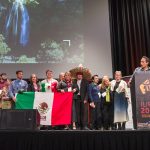
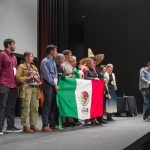
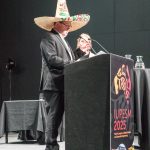
As the Congress concluded, the energy and momentum generated included new collaborations, novel ideas, and a reinforced commitment to global healthcare solutions supported by medical physics and biomedical engineering. We look forward to seeing you in Mexico for IUPESM WC2028 (We can also let you know now that IUPESM Wc2031 will be held in Greece).
Once again, thank you to every delegate, speaker, sponsor, exhibitor, and volunteer who helped make the IUPESM WC2025 a landmark event for our professions.
Photo Gallery: