

20 Jan 2026: An Introduction to Data Analysis with Python for Medical Physics
20 Jan 2026 at 12 pm GMT; Duration 1 hour
To check the corresponding time in your country please check this link:
https://greenwichmeantime.com/time-gadgets/time-zone-converter/
Update:
2 CE credit points for participants who complete and pass the associated assessment
1 CE credit point for other participants
Moderator: Carmel J Caruana, PhD
Medical Physics, University of Malta
Speaker: Eric Pace, M.Sc., MIPEM, MPE, RPE
Medical Physics, University of Malta
Eric is a medical physics expert and radiation protection expert in the area of diagnostic and interventional radiology with over ten years of clinical experience. He lectures in Diagnostic and Interventional Radiology and Python for Medical Physics and Radiation Protection at the University of Malta. His research focuses on Computed Tomography and includes extensive Python programming. Eric is the President of the Malta Association of Medical Physics.
Abstract:
Python is a free, open-source programming language that has become increasingly prominent in scientific and clinical computing, including in Medical Physics and AI applications. With its extensive ecosystem of libraries for medical imaging and radiotherapy, Python is an extremely valuable tool for the clinical Medical Physicist today. Practical proficiency in Python supports essential tasks such as data analytics, workflow automation, and machine learning and AI development. This webinar provides a practical overview of the fundamental topics needed to understand the language and to organise data for statistics and visualisation using established libraries like pandas and matplotlib. It will also briefly cover reading DICOM files and analysing Catphan QC images using pydicom and pylinac. The 6th edition of the EBAMP accredited international online course Data Analysis with Python for Medical Physics delivered under the auspices of the Malta Association of Medical Physics and endorsed by EFOMP and IOMP is planned for 29-31 October 2026 and further information will be published soon on https://thepythoncourse.eu/.
17 Dec 2025: IOMP Early Career Forum 2025
17 Dec 2025 at 12 pm GMT; Duration 1 hour
1 CPD point is applied to this event.
Organizers: Eva Bezak, Magdalena Stoeva
Moderator: Michael Douglass
Speakers: Jesús Garcia Ovejero & Lars Juhl Jensen
Abstract:
This webinar consists of two distinct parts, each with own/separate learning objectives. The first part is a scientific talk on use of nanoparticles and hyperthermia for treatment of cancer with a scientific learning objective on developing understanding about this new cancer therapy. The second part is related to development of soft professional skills of medical physicists on how to optimally use social media and apply their use for scientific communication and networking.
Talk 1: Oncological Hyperthermia Boosted by Nanoparticles
Speaker: Dr Jesús Garcia Ovejero, University of Navarra Clinic, Spain
Dr. Jesús G. Ovejero is a Medical Physicist at the Clínica Universidad de Navarra since 2024. He holds a Bachelor’s degree in Physics from the Complutense University of Madrid (2012) and a Master’s in Nanotechnology from the Autonomous University of Madrid. He earned his PhD, awarded the Extraordinary PhD Prize (UCM) and the Spanish Royal Society of Doctors Award, with a thesis on Biomedical Applications of Magneto-Plasmonic Nanoparticles for photoacoustic imaging and hyperthermia. He conducted postdoctoral research at King’s College London (2017) and the Institute of Materials Science of Madrid (2019), followed by a Medical Physics residency at Hospital Gregorio Marañón (2021–2024).
Author of over 30 peer-reviewed publications (h-index = 18), four book chapters, and two patents, he represents the Spanish Society of Medical Physics (SEFM) in EFOMP and serves as steerin comitte of its Early Career SIG. In 2025, he was selected by IOMP to receive the IUPAP Early Career Scientist Prize. His current research focuses on the application of nanotechnology tophoton and proton radiotherapy.
Abstract:
Oncological hyperthermia, used as an adjuvant to radiotherapy and chemotherapy, has proven effective in enhancing clinical outcomes. However, its adoption has been limited by heterogeneous heat-delivery protocols and insufficient temperature rise of tumors. Recent advances in conformal hyperthermia using radiofrequency devices and individualized treatment planning are paving the way for its wider clinical integration as a complement to radiotherapy. Two major challenges still constrain its effectiveness: precise temperature regulation within the target volume and low thermal gradients between tumor and healthy tissue. Biocompatible inorganic nanoparticles offer an innovative solution, as their superparamagnetic and plasmonic properties enable remote heating under magnetic fields or near-infrared light. Their small size and high surface-to-volume ratio allow bloodstream injection and functionalization with targeting molecules, promoting selective tumor accumulation and cellular penetration. This “Trojan horse” approach provides superior heat control and improved thermal gradient shaping compared with conventional hyperthermia.
Learning objectives:
Introduce the audience to the clinical and preclinical evidence of oncological hyperthermia. Indicate the current limitations of this promising therapy. Demonstrate that nanodevices such as iron oxide or metallic nanoparticles might represent effective solutions for the local heating of tumor cells.
Talk 2: Social Media Use for Early Career Scientists (Opportunities and challenges of social media communication for early career medical physicists)
Speaker: Dr Lars Juhl Jensen, Director, ZS Discovery, Denmark
Lars Juhl Jensen started his research career in Søren Brunak’s group at the Technical University of Denmark, from where he in 2002 received the Ph.D. degree in bioinformatics, having worked on methods for protein function prediction, visualization of microbial genomes, pattern recognition in promoter regions, and microarray analysis. From 2003 to 2008, he was at the European Molecular Biology Laboratory working on text mining, integration of omics data, and network analysis. From 2009 to 2024, he continued this line of research as a professor at the Novo Nordisk Foundation Center for Protein Research at the University of Copenhagen. He was a founder and scientific advisor of the bioinformatics company Intomics, now ZS Discovery, which he joined as a Director in 2025 to lead efforts on AI for molecular data. He has authored and co-authored more than 250 scientific publications that have received over 100,000 citations in total. He was awarded the Lundbeck Foundation Talent Prize in 2003, “Break-through of the Year” in 2006 by the magazine Ingeniøren, and the Lundbeck Foundation Prize for Young Scientists in 2010.
Abstract:
Simple advice will be provided on why you may want to be on social media as a scientist and how to do it. I first give a quick overview the types of social media platforms and how to consume content without it becoming a time sink. I then talk about how to contribute on social media, why you may want to use multiple platforms, and the importance of being a real person on social media.
Introduction: why be on social media (SoMe), why visibility matters, and overview of major platforms: social networks, photos/videos, blogs/websites, and how to choose.
Be a consumer: finding useful content, SoMe as a filter, and signal-to-noise.
Be a contributor: content creation, content quality, using multiple platforms, and cross-posting.
Be a real person: institutional vs. personal accounts.
Avoid toxicity: Twitter and YouTube can be toxic, but scientists are a friendly community.
Learning objectives are related to soft skills development:
- Develop an understanding regarding why to be on social media.
- Have basic understanding how to connect with colleagues and start collaborations on social media.
- Have basic understanding how to brand yourself.
Understand differences between personal and institutional accounts.
7 Nov 2025: Medical Physics and Emerging Technologies: Shaping the Next Decade
7 Nov 2025 at 12 pm GMT; Duration 1 hour
To check the corresponding time in your country please check this link:
https://greenwichmeantime.com/time-gadgets/time-zone-converter/
Organizers: Eva Bezak, John Damilakis, Magdalena Stoeva
Moderator: Eva Bezak
Agenda:
- Prof. Eva Bezak, President IOMP – Statement from the IOMP President and introduction of the IOMP ExCom 2025-2028
- Invited talk by Dr. Jitendra Sharma
- AI video
- Announcement of the IDMP 2025 awards
Invited Speaker:
Dr Jitendra Sharma
Managing Director and Founder CEO
Andhra Pradesh MedTech Zone (AMTZ)
India
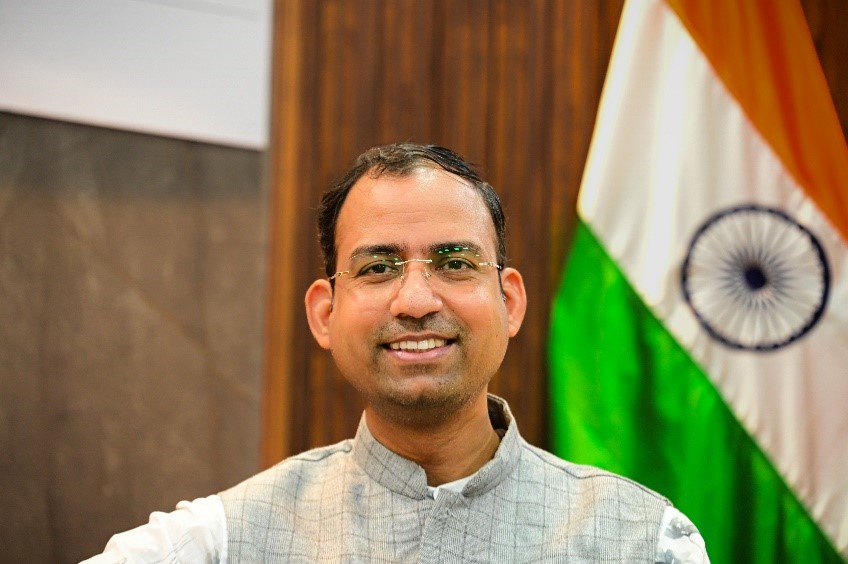
Dr. Jitendra Sharma is the Managing Director & Founder CEO of Andhra Pradesh MedTech Zone (AMTZ) which is World’s largest medical devices research and manufacturing park. He is Founder Executive Director of Kalam Institute of Health Technology (KIHT) – that serves as medical technology policy institute to various departments & ministries of Govt. of India. He is Founder Chairman of two med-tech incubators – Medi-Valley, and Bio-Valley and Chairman of Indian Biomedical Skill Council. He is also a Member of the Board of Trustees of India Brand Equity Foundation, a Trust of Govt. of India with a mandate to promote brand India globally. His work experience includes those at AIIMS, New Delhi; Sri Sathya Sai Institute of Higher Medical Sciences, World Bank, Niti Aayog, National Health Systems Resource Centre and World Health Organisation. Dr. Sharma has led several policy initiatives such as the PLI scheme, Med Tech Park Scheme and is a board member of several global scientific institutions. Dr Sharma has been Awarded the European Union–India Award at EU Parliament, Brussels; AAMI-Laufman Greatbatch Award and American College of Clinical Engineering Excellence Award for his distinguished work in medical technology sector. He has three academic PhDs, and is author of book- “Made in Lockdown”.
17 Oct 2025: Applications of SGRT for 4DCT, surface guided planning, motion management during treatment delivery and visualizing dose using Cherenkov imaging
17 Oct 2025 at 12 pm GMT; Duration 1 hour
To check the corresponding time in your country please check this link:
https://greenwichmeantime.com/time-gadgets/time-zone-converter/
1 CPD point is applied to this event.
Organizer: Magdalena Stoeva, Secretary-General of IOMP
Moderators: Magdalena Stoeva & Menna Creed
Speakers: Michael Tallhamer & Josh Naylor
Abstract:
Surface Guided Radiation Therapy (SGRT) is a rapidly growing technique that uses stereo vision technology to track patients’ surface in 3D, for both setup and motion management during radiotherapy.
This presentation will explore how SGRT can be utilized throughout the radiotherapy pathway, and look at its positive impacts on treatment accuracy, workflow efficiency and patient comfort. Speakers will cover:
- SGRT in use from simulation through to treatment
- The role of SGRT in enabling precise treatments without the need for tattoos or marks, or in the case of head & neck patients, without the traditional mask
- The effectiveness of non-coplanar treatments, and how surface guided planning tools can enable these treatments to be effectively introduced into routine clinical use
- The significance of beam hold latency in treatment delivery
The principles of Cherenkov imaging, and how SGRT technology can combine with Cherenkov Imaging to provide real-time visualization of dose delivery and patient positioning, therefore preventing errors and improving clinical outcomes.
Learning objectives:
- Investigate the latest advancements in Surface Guided Radiation Therapy (SGRT) and its evolving role in radiotherapy.
- Explore the challenges and opportunities in pushing the boundaries of SGRT technology in clinical practice, and hear about its potential to improve treatment accuracy and patient outcomes across the whole RT pathway
- Discuss the advantages and positive impacts of SGRT in terms of patient positioning, patient comfort, treatment accuracy, and workflow efficiency.
- Understand the basic principles of visualizing dose with Cherenkov imaging, and how this can enhance patient safety
- Learn how non-coplanar treatments for various cancer sites can enhance clinical outcomes, whilst understanding how Surface guided planning tools can enable these treatments to be effectively introduced into routine clinical use.
Speaker 1:
Michael Tallhamer, DABR, Chief of Medical Physics, AdventHealth Parker
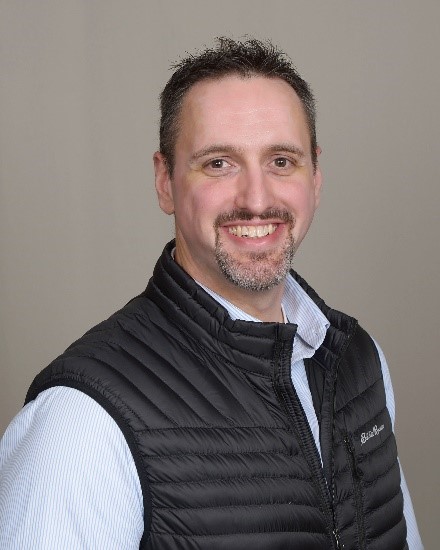
Michael Tallhamer, DABR is the Chief of Medical Physics for AdventHealth based out of Denver, Colorado. He has served as a guest lecturer for various academic institutions on a variety of topics including Surface Guided Radiation Therapy (SGRT), stereotactic radiosurgery, and improvements to radiation oncology quality assurance programs using methods such as statistical process control (SPC). He is a past president of the Rocky Mountain Chapter of the AAPM (RMAAPM). He trained at the Cleveland Clinic where he received his MSc in Medical Physics specializing in Therapeutic Radiological Physics. He has been commissioning and utilizing SGRT systems in his clinics since 2008 and has been able to compare them to other systems such as CyberKnife, BrainLab, Varian OGP, and several frame based systems for SRS delivery. In addition to his clinical work, he has a background in computer vision, mathematics and image processing and serves as a physics consultant who has worked on a variety of projects in medical physics, telecommunications and satellite imaging.
Speaker 2:
Josh Naylor, Clinical Scientist / MPE in Radiotherapy Physics, University Hospitals Dorset
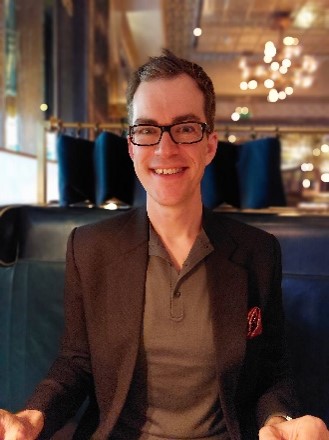
Josh Naylor, MPE, MSc, DipIPEM, BSc(Hons), MIPEM, ANSHCS studied at the University of Manchester and then trained at The Christie Hospital, Manchester for two years. He moved to University Hospitals Dorset, Poole in 2011 and qualified as a registered Clinical Scientist with the HCPC. He has held senior and principal physicist roles, with a special interest in linac quality assurance and radiotherapy imaging, as well as involvement in brachytherapy, treatment planning and commissioning new equipment including SimRT / AlignRT. Josh is registered as a Medical Physics Expert with RPA2000. He was Lead Healthcare Scientist for the Trust and is heavily involved in education and training of new medical physicists, completing a fellowship with Health Education England expanding regional medical physics training.
18 Aug 2025: Global Perspective for Advancement in Radiation Oncology
18 Aug 2025 at 12 pm GMT; Duration 1 hour
1 CPD point is applied to this event.
Organizers: Simone Kodlulovich Renha, Arun Chougule, Ibrahim Duhaini
Moderator: Arun Chougule
Speakers: Dr. Dayanand Sharma, Helio A Salmon Jr, Rabih Hammoud
Topic 1: Adaptive Proton Therapy
Abstract:
Adaptive proton therapy (APT) aimed at optimizing treatment by adapting to anatomical and physiological changes during the course of therapy. Its clinical rationale stems from the proton beam’s susceptibility to tissue density changes, which can alter dose distribution and range. APT workflows rely on 3D-imaging modality, deformable image registration, and dose accumulation to maintain target coverage and minimize exposure to healthy tissues. Despite its promise, implementation poses challenges due to the proton’s range uncertainties, resource demands, and the absence of standardized criteria for adaptation and its clinical impact. Nevertheless, adaptive strategies offer a pathway to improve clinical outcomes and reduce toxicity, especially in anatomically complex or variable tumour sites.
The learning objectives of adaptive proton therapy (APT) are to understand:
- Clinical rationale of APT;
- Image-guided adaptive workflows, including tools for daily imaging, deformable image registration, and dose accumulation;
- Challenges in implementing APT emphasising on unique sensitivity of proton range and dose distributions to changes in tissue density;
- Adaptive strategies in improving clinical outcomes and minimizing toxicity in patients.
Speaker:
Dr. Dayanand Sharma PhD, Dip R P, MCMPI
Professor and Head, Department of Medical Physics, Apollo Proton Cancer center, Chennai
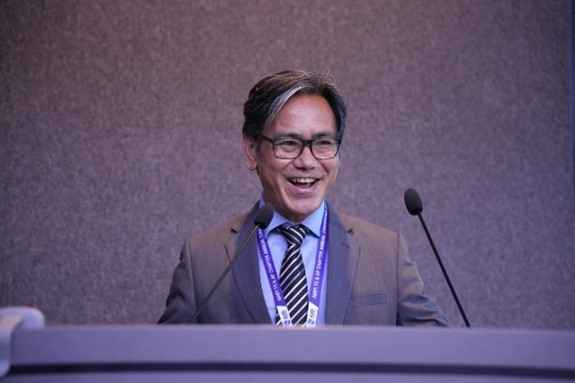
28 years of professional experience with enrich knowledge of clinical medical physics required for planning, setting-up and running of radiotherapy facility.
Publications:
- 56 full length original articles in peered reviewed journals + Counting
- Two Book Chapters
- More than 200 abstracts in various journals & conference proceedings
Membership:
- Scientific committee member “Particle Therapy Co-Operative Group-Asia Oceania (PTCOG-AO)”
- Past Education and Training Committee (ETC) Member, “Asia-Oceania Federation of Organizations for Medical Physics (AFMOP)”
- Past Registrar & current executive member of “College of Medical Physics of India (CMPI)”
- Member Particle Therapy Co-Operative Group (PTCOG)
- Executive committee member of Association of medical physicist of India (AMPI) 2009-2011.
- Life member of AMPI,
- Life member of AROI (Association of radiation oncologist of India)
- General Secretary – AROI Maharashtra Chapter
- Past Editorial board member, JCRT
- Member ESTRO
Achievement: First Medical Physicist to clinically commissioned the first Proton therapy Facility in South East Asia and Middle East
Awards: Recipient of many best paper awards in different international and national conferences
Leadership role: Organizes various International and national conferences in different capacity
Teaching:
- Visiting faculty to various Institute of national repute (BARC, Anna University etc)
- Teaching of MD in Radiotherapy, Radiology and Nuclear Medicine
Invited Plenary Talks: Most sought speaker in Medical Physics and Radiation Oncology. Deliver more than 200 invited talks covering various topic related to clinical medical physics at various international and national conference/workshop/training program.
Topic 2: Brazilian Experience: Steps to Organizing a Proton Therapy Project
Abstract:
This presentation will address the challenges of a proton therapy project in Brazil and its impact on society.
Learning Objectives:
- Reimbursement
- Legislation
- Clinical Protocols
- Project management
Speaker:
Helio A Salmon Jr
Chief Medical Physicist and Executive Director, Fusve – RJ – Brasil
Executive Director in Mario Kroeff Hospital
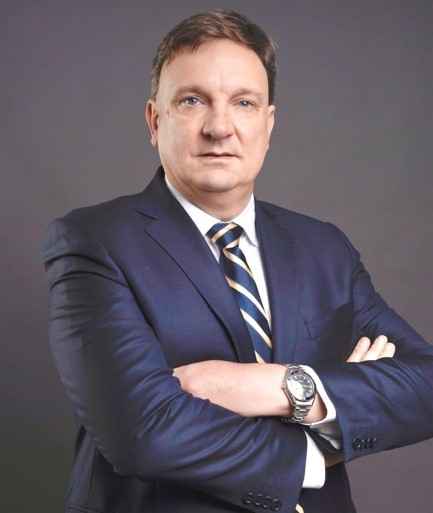
Mr Helio Salmon, is a medical physicist and radiotherapy specialist with a proven track record in implementing and managing operational efficiency in medical, outpatient, and hospital units. Responsible for strategic planning, process structuring, routine development, business development, and partnerships.
Success in radiotherapy operations and services, leading projects (end-to-end) in Brazil and abroad, including the approval of over 110 bunker projects and CNEN licenses for construction authorization, ensuring safe and sustainable growth.
Executive Director
Main achievements:
- Medical Physicist for the Oncology Unit at DASA, COI Group and Oncoclinicas Group for 18 years; Director of Radiotherapy at Vassouras University (since August 2022); and shared management of the radiotherapy unit at the Mário Kroeff Hospital (since March/2022).
- Leading Medical Physics and Radiotherapy projects, setting indicators for tracking, developing action plans, and creating management reports for client updates.
- Participation in merger and acquisition (M&A) projects, from diagnostic analysis and implementation to business management.
Topic 3: AI in Medicine: Opening the Black Box for Patient-Centered Care
Abstract:
This presentation aims to explore various applications of artificial intelligence (AI) in healthcare, with a particular focus on radiotherapy. It also highlights the key challenges and open questions that must be addressed to enable the widespread adoption of AI in this field.
Learning Objectives:
- Understanding the basics of what artificial intelligence entails
- Gain insight into the historical development of AI in healthcare
- Explore the potential applications of AI in radiotherapy
- Identify the benefits of AI and the key challenges to its implementation
Speaker:
Rabih Hammoud, PhD., DABR
Chief Medical Physicist, NCCCR – HMC, Qatar
Assistant Professor of Medical Physics Research in Radiation Oncology – WCM -Q
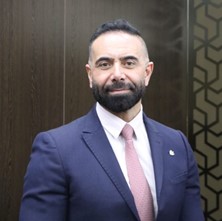
Dr. Rabih Hammoud presently holds a position as Chief Medical Physicist at National Center for Cancer Care & Research, Hamad Medical Corporation and an Assistant Professor of Medical Physics Research in Radiation Oncology at Weill Cornell Medicine – Qatar. He is an American Board Certified Medical Physicist since 2004.
He obtained his Master of Sciences Degree in Medical Physics from Wayne State University in US and completed his PhD at Universite De Bretagne Occidentale, in France in the same field.
He is an active member of several Medical Physics Societies locally and internationally like ASTRO, AAPM & ESTRO and acts as Vice President of the Middle East Federation of Organizations of Medical Physics (MEFOMP). He has been invited as Faculty & Speaker of various activities of the medical and scientific societies as well as within HMC. He has also published numerous papers, book chapters & abstracts. Further, he is actively involved in IAEA activities as a participant to regional workshops and scientific meetings and an auditor for QUATRO expert mission. He hosted more than one IAEA Radiotherapy Courses. In addition, Dr. Hammoud is an examiner for the International Medical Physics Certification Board (IMPCB). Dr. Hammoud received the International Day of Medical Physics (IDMP) award for the year 2022 from the International Organization of Medical Physics (IOMP). Dr. Hammoud has also made significant contributions to teaching and research in the field of medical physics. He has mentored numerous students, guiding them through complex concepts and inspiring them to pursue excellence in radiation oncology. His research focuses on advancing technologies and methodologies in medical physics, with a particular emphasis on improving cancer treatment outcomes through innovative image guided approaches.
30 Jul 2025: Meet the industry: Streamlining Radiation Oncology - Automated planning and QA
30 July 2025 at 12 pm GMT; Duration 1 hour
To check the corresponding time in your country please check this link:
https://greenwichmeantime.com/time-gadgets/time-zone-converter/
Update: 1 CPD point is applied to this event.
Organizer: Magdalena Stoeva, IOMP Secretary General
Moderator: John Damilakis, IOMP President
Speakers:
1. Mercedes Riveira, Clinical Success Manager (EMEA), Radformation
2. Greg Martin, MSc
Topic 1: Accelerating Breast Planning: Radformation’s Automated Solution for Enhanced Efficiency
Abstract:
The growing number of breast cancer patients and the labour-intensive nature of manual planning make efficient treatment management increasingly complex. Radformation addresses these challenges with a suite of automated tools designed to streamline workflows and elevate the quality of patient care. AutoContour accelerates the contouring process by automatically generating accurate, editable structures, reducing the time clinicians spend on manual segmentation. EZFluence simplifies 3DCRT planning for breast cases, producing consistent, homogeneous dose distributions while minimizing hotspots and reducing planning complexity, whether using electronic compensation or field-in-field techniques. ClearCheck automates plan evaluation by verifying compliance with clinical protocols through checks on dose constraints, structure integrity, and other key metrics. ClearCalc provides fast, accurate secondary dose calculations, with features like log file analysis to further enhance treatment precision. Collectively, these solutions improve planning efficiency, reduce the potential for errors, and support high-quality radiation therapy.
Speaker:
Mercedes Riveira, Clinical Success Manager (EMEA), Radformation
Mercedes Riveira studied Physics and a Master’s in Biomedical Physics at the Complutense University of Madrid, where she also earned a PhD through her research conducted at the Meixoeiro Hospital, as part of the European Commission-funded SINFONIA project. Her doctoral work focused on personalized dosimetry in Nuclear Medicine and AI applications in medical imaging. She then started her industry journey as Clinical Product Specialist at Limbus Contour and currently works as Clinical Success Manager for EMEA at RadFormation. She also serves as an Associate Editor for the British Journal of Radiology | Artificial Intelligence.
Topic 2: SunCHECK®: The Connected Workspace for Higher Quality
Abstract:
At Sun Nuclear, we go beyond isolated QA tasks by offering a comprehensive Quality Management System through SunCHECK®. This connected solution unifies QA processes with a single database, centralized data, and standardized workflows—streamlining operations and improving efficiency. Automation reduces time spent on repetitive tasks, while enabling remote work, oversight for new staff or clinics, and simplified peer review.
SunCHECK also enhances reporting for audits, compliance, and accreditation, ensuring teams have immediate access to the documentation they need. More than just meeting regulatory requirements, this system supports a proactive approach to quality. By analyzing QA data, users can identify trends—such as machine performance issues or training needs—that drive continuous improvement.
The result is a smarter, more responsive QA environment that enhances treatment quality, improves outcomes, and elevates patient care across the board. With SunCHECK®, quality becomes an ongoing pursuit, not just a checkbox to complete.
Speaker:
Greg Martin, MSc
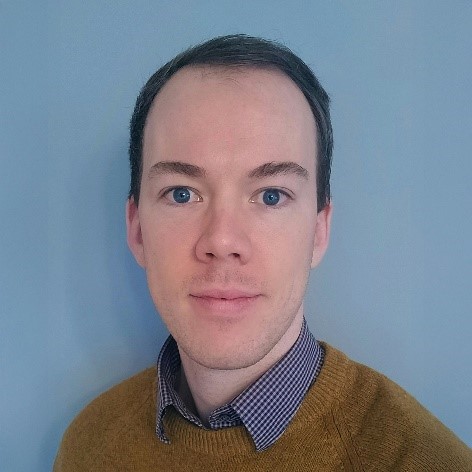
Registered clinical scientist in the UK, with 5 years clinical experience working in a 10 linac, NHS radiotherapy center, UK. Honorary Lecturer. Number of poster publications at international conferences including AAPM and ESTRO.
30 May 2025: Inspiring and Energizing the Next Generations of Medical Physicists - Why medicine (still) needs physics: A tour de force on the frontiers of medical physics
30 May 2025 at 12 pm GMT; Duration 1 hour
To check the corresponding time in your country please check this link:
https://greenwichmeantime.com/time-gadgets/time-zone-converter/
Update: 1 CPD point is applied to this event.
Organizer: Simone Kodlulovich, Professional Relations Committee, IOMP
Moderators: Simone Kodlulovich and Stephanie Parker
Speaker: Ehsan Samei, Reed and Martha Rice Distinguished Professor, Duke University
Learning Objectives:
- Understand the essential expertise that physics brings to medicine
- Understand where lies the frontiers of medical physics science and practice
- Understand how the stratified components of medical physics serve as an integral whole to serve patient care
Abstract:
Physics has been and remains an instigator and an integral component of the disciplines of radiology, radiation oncology, and nuclear medicine. While this role was primarily initiated due to science and technological backbone of these disciplines, the scientific mindset of physicists has also informed how these two disciplines have formed and reformed over decades of development and application, a progression that can likewise influence other subspecialities of medicine. This lecture offers a holistic view on the role of physics in medicine, and further delineates the forefront of the Medical Physics profession in terms of its science, clinical practice, educational endeavors, and professional aspirations.
Speaker: Ehsan Samei, Reed Distinguished Professor, Duke University
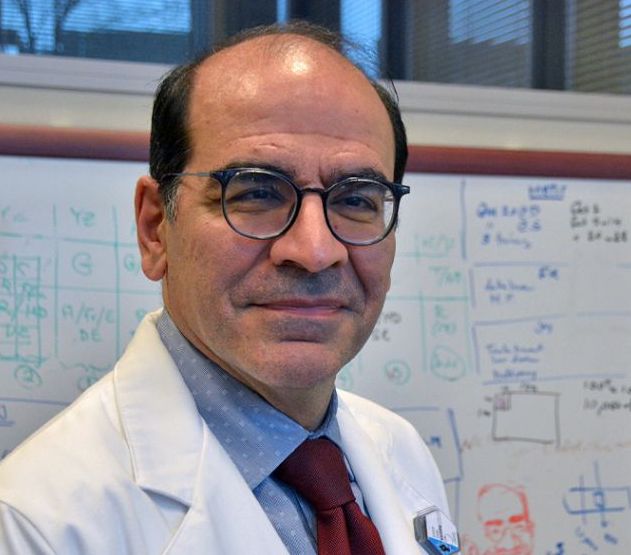
Ehsan Samei is the Reed and Martha Rice Distinguished Professor at Duke University. He directs the NIH-sponsored Center for Virtual Imaging Trials (CVIT) and co-directs the FDA-sponsored Triangle Center of Excellence in Regulatory Science and Innovation (Triangle-CERSI). His expertise includes clinical physics, smart use of AI, and quantitative imaging. His passion is to position in silico methods to generate and accelerate patient-centric care in design and practice. He is authored over 370 referred papers, is a fellow of five professional societies, and the recipient of the 2022 Marie Sklodowska-Curie Award by the International Organization of Medical Physics.
5 May 2025 (IMPW 2025 - Day 1): AI vs. Human Expertise in X-ray Dosimetry
5 May 2025 at 12 pm GMT; Duration 1 hour
To check the corresponding time in your country please check this link:
https://greenwichmeantime.com/time-gadgets/time-zone-converter/
1 CPD point is applied to this event.
Organizer: John Damilakis, IOMP President
Panelists: John Damilakis, M. Mahesh, Madan Rehani
Abstract:
Artificial Intelligence (AI) is rapidly transforming medical imaging and dosimetry. However, the role of human expertise remains critical for the accurate, safe, and ethical application of AI-driven tools. This debate, AI vs Human Expertise in X-ray Dosimetry, will critically examine the strengths and limitations of AI in medical X-ray dose estimation, dose optimization, quality assurance, and clinical decision-making. Panelists will identify the key advantages AI offers in dose estimation and optimization, recognize the potential risks, biases, and interpretability challenges associated with AI-driven dosimetry, discuss the irreplaceable contributions of human judgment, and explore strategies for integrating AI-powered dosimetry into clinical practice.
Learning Objectives:
- To understand the capabilities of AI in X-ray dosimetry
- To analyze the limitations and challenges of AI in X-ray dosimetry
- To evaluate the role of human expertise in X-ray dosimetry
Panelist 1: John Damilakis, IOMP President
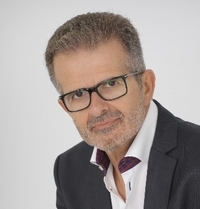
Dr. John Damilakis is a professor and director of the Department of Medical Physics, School of Medicine, University of Crete and director of the Department of Medical Physics of the University Hospital of Heraklion, Crete, Greece. He is the current President of the IOMP and was President of EFOMP, President of EURAMED, and President of the ‘Hellenic Association of Medical Physics’. His body of research work encompasses a wide range of research areas, including medical dosimetry, medical radiation protection, and the application of artificial intelligence in medical imaging. He has played significant roles as an editor, author, or co-author in several books within the field. Professor Damilakis has published 272 research articles listed on PubMed, accompanied by 10380 citations, and an h-index of 54 as documented on Google Scholar (February, 2025). He contributes to international initiatives, serving as an elected member of the ICRP Committee 3, Chair of the IUPAP AC4 and member of the steering committee of the ‘EuroSafe Imaging Campaign’. He has shared his expertise as a Visiting Professor, delivering lectures on medical dosimetry and medical radiation protection at Boston University in the United States.
Panelist 2: M. Mahesh, IOMP Science Committee Chair
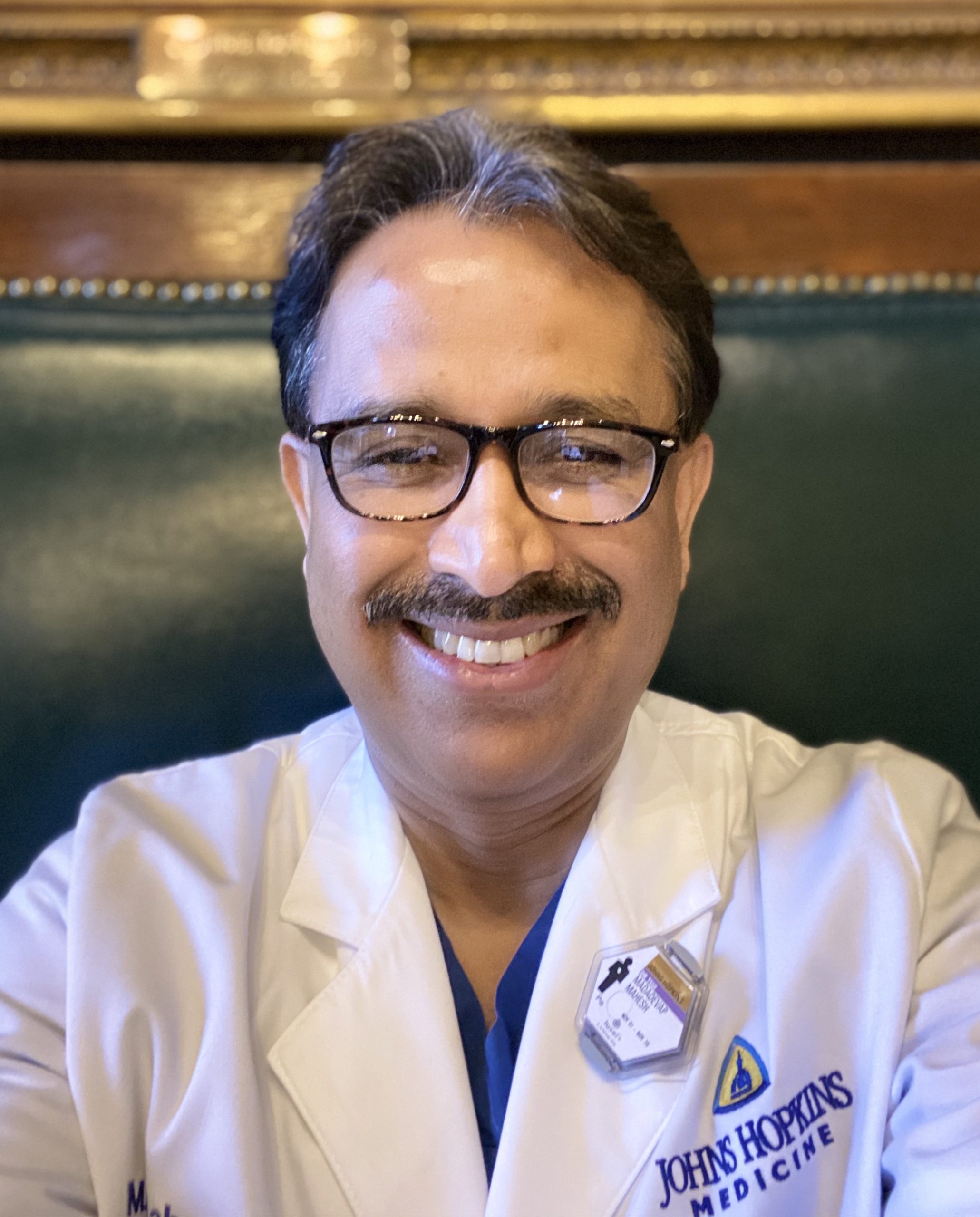
Dr. M. Mahesh is a Professor of Radiology and Cardiology at the Johns Hopkins University School of Medicine, Baltimore, MD, USA. Dr. Mahesh also has a joint appointment at the Johns Hopkins Bloomberg School of Medicine Department of Environmental Health. His research interests are in medical physics and imaging, particularly in areas of MDCT, interventional fluoroscopy and digital mammography. Prof. Mahesh has authored numerous articles and a textbook in MDCT technology and radiation doses in medical imaging and has lectured extensively in the U.S. and internationally. He has served on the editorial boards of several journals, including the Journal of the American College of Radiology, the Journal of the American Association of Physicists in Medicine, Academic Radiology, and RadioGraphics. He is currently the President of the AAPM, elected member of the ICRP and NCRP. Dr Mahesh is a fellow of AAPM, ACR, ACMP, SCCT and currently the associate editor of the Journal of American College of Radiology.
Panelist 3: Madan Rehani, IUPESM President
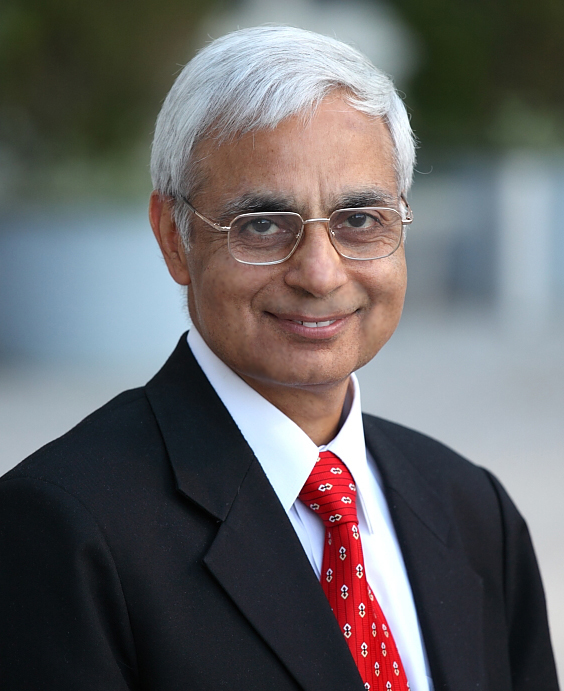
Dr. Madan Rehani is Director, Global Outreach for Radiation Protection at the Massachusetts General Hospital, Boston, Professor of Radiology at Harvard Medical School, Boston, MA, and an adjunct professor at the Duke University Medical Center, Durham, NC, US. He was President, IOMP (2018- 2022) and is currently President IUPESM. He worked earlier for over 11 years at the IAEA, Vienna, Austria. He was professor and head of medical physics at the All India Institute of Medical Sciences (AIIMS), New Delhi, India, before joining the IAEA in 2001. He was also head of the WHO’s Collaborating Centre on Imaging Technology & Radiation Protection, which he established in 1997. Prof. Rehani is an Emeritus Member, ICRP, having been an active member for 24 years. He is the author of 9 Annals of ICRP. He is Senior editor Br J Radiology, Assoc Editor, Eur. J Medical Physics, was earlier Associate Editor Am J Roentgenology, and on editorial board of several journals. He has more than 200 publications, has written 40 chapters in books and edited 5 books.
6 May 2025 (IMPW 2025 - Day 2): AI vs. Human Expertise in Radiotherapy
Tuesday, 6 May 2025 at 12 pm GMT; Duration 1 hour
To check the corresponding time in your country please check this link:
https://greenwichmeantime.com/time-gadgets/time-zone-converter/
1 CPD point is applied to this event.
Organizer & Moderator: Eva Bezak, IOMP Vice President
Debaters:
Joerg Lehmann (against), Calvary Mater Hospital, Australia
Michael Douglass (for), Royal Adelaide Hospital, Australia
Title: AI and Personalized Medicine in Radiation Oncology: Enhancing or Replacing Medical Physicists
This debate examines the evolving role of artificial intelligence (AI) within the field of radiation oncology medical physics. While AI promises to enhance treatment planning and personalised radiotherapy, its integration raises important questions about the future dynamics of the medical physics profession.
Rather than posing a threat, AI is increasingly seen as a complementary tool that could support medical physicists by automating routine tasks and allowing them to focus on complex clinical and scientific decisions. However, the potential shift towards a more technology-driven approach invites a critical discussion on how to balance innovation with the irreplaceable value of human expertise.
This debate will explore whether AI serves as an empowering assistant to medical physics or if its advancement might eventually lead to a redefinition of traditional roles. We’ll examine how AI innovations can streamline tasks like image segmentation, treatment planning optimization, and quality assurance, thereby boosting workflow efficiency and accuracy. At the same time, the session will consider concerns that these advances might diminish the hands-on expertise and clinical decision-making central to medical physics.
Learning objectives:
- Assess AI Integration: Understand how AI-driven tools are currently used to streamline tasks like image segmentation, treatment planning, and quality assurance.
- Evaluate Impact on Expertise: Analyse how these innovations can complement clinical decision-making while addressing concerns about the potential loss of hands-on expertise.
- Redefine Professional Roles: Discuss the evolving skill sets required in medical physics and explore the future balance between technology and human oversight in radiation oncology.
Panelist 1: Joerg Lehmann
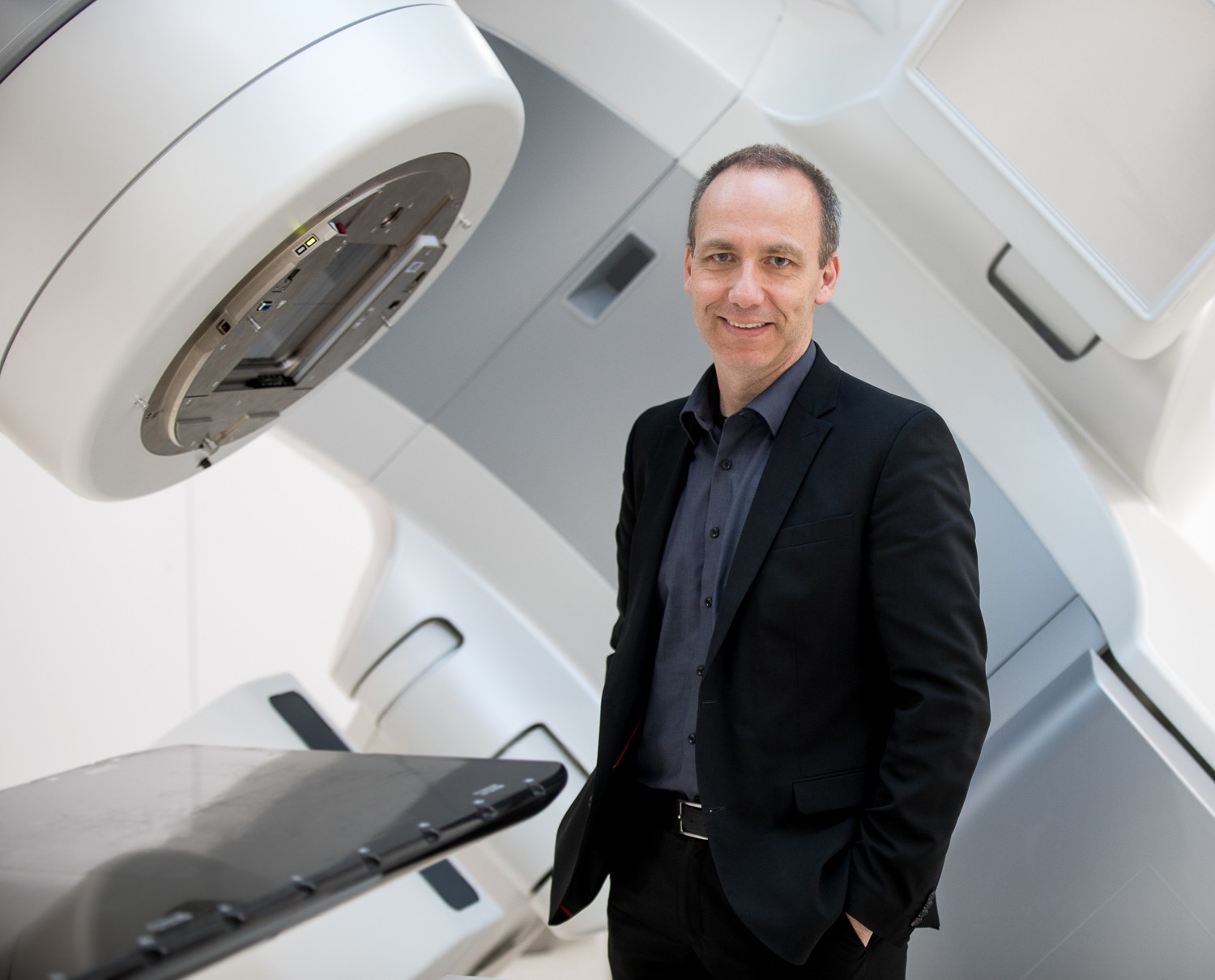
Professor Joerg Lehmann is a Radiation Oncology Medical Physicist. He holds a PhD and is clinically accredited in Australia and the USA (DABR). Joerg works at Calvary Mater Newcastle, Australia as Principal Medical Physicist and Lead Physicist for Research. He is affiliated with the University of Sydney and the University of Newcastle, Australia and his research interests include dosimetry, quality assurance, image guidance for radiotherapy treatments and data mining.
Joerg is a fellow of the American Association of Medical Physics (AAPM) and a member of the several international working groups, including a joint task group of the AAPM and the European Society for Radiotherapy and Oncology (ESTRO) on “Performance validation of surrogate assessment systems in the context of medical physics applications (TG 360)”. He is member of the AAPM Global Research and Scientific Innovation Committee and Vice Chair of the Global Clinical Trials Subcommittee. Joerg is active in radiotherapy dosimetry audits, he works as quality assurance (QA) physicist for the Transtasman Radiation Oncology Group (TROG) and he has served as chair of the Global Quality Assurance of Radiation Therapy Clinical Trials Harmonisation Group (GHG), a collaborative group of international Radiation Therapy Quality Assurance (RTQA) Groups harmonizing and improving RTQA for multi-institutional clinical trials.
Joerg is a third generation photographer, holding Master of Photography and Photographic Craftsman degrees from the Professional Photographers of America (PPA). He has co-founded “Photography in Medical Physics” (PMP), a photography competition celebrating the joy and excitement of Medical Physics (www.photographyinmedicalphysics.com).
Panelist 2: Michael Douglass
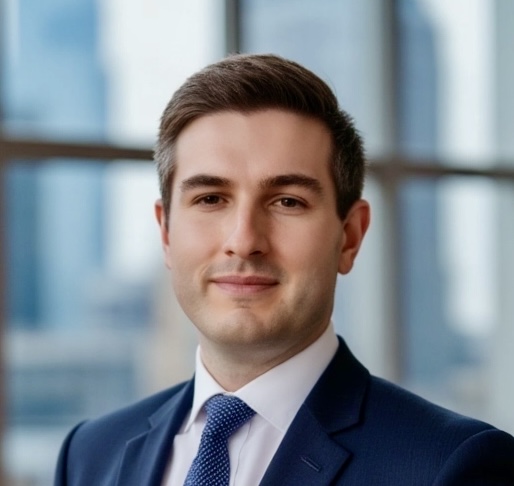
Michael Douglass is a principal medical physicist at SA Health and a medical physicist at Australian Bragg Centre for Proton Therapy at SAHMRI, with over 10 years of clinical and research experience in radiation oncology physics. He holds a PhD in Radiation Physics from the University of Adelaide and is certified by the Australasian College of Physical Scientists and Engineers in Medicine.
His research interests include Monte Carlo simulations, proton therapy, deep learning, and optical 3D scanning. He has published more than 30 peer-reviewed scientific papers in international journals and has received multiple awards, such as the 2021 ACPSEM Boyce Worthley Early Career Award and the 2021 Simpson Prize for Cancer Research. He is also an associate professor at the University of South Australia and a skilled scientific illustrator, producing 2D and 3D figures for publications and books. He is passionate about advancing the field of medical physics and improving patient outcomes.
7 May 2025 (IMPW 2025 - Day 3): Innovating Medical Physics Education with Artificial Intelligence
Wednesday, 7 May 2025 at 12 pm GMT; Duration 1 hour
To check the corresponding time in your country please check this link:
https://greenwichmeantime.com/time-gadgets/time-zone-converter/
1 CPD point is applied to this event.
Organizer: Arun Chougule, IOMP Education and Training Committee Chair
Moderator: Madan Rehani
Speakers: Issam El Naqa and Maryellen L. Giger
Part 1: Leveraging Artificial Intelligence in Training Next-Generation Medical Physicists
Abstract:
Artificial Intelligence (AI) and Machine Learning (ML) are revolutionizing various disciplines, including medical physics in both diagnostic and therapeutic areas. This presentation will showcase the current applications of AI/ML in medical physics and their impact on the profession. In light of this, we will highlight the necessity of updating current curricula to incorporate AI as key component. Throughout, we will emphasize the notion that “AI will not replace medical physicists but medical physicists who know AI will replace medical physicists who don’t know AI.”
Learning Objectives:
- Role of AI in modern medical physics
- Impact of AI on the profession of medical physics
- Incorporation of AI into medical physics curric
Speaker: Issam El Naqa, PhD, DABR, FAAPM, FIEEE, FAIMBE
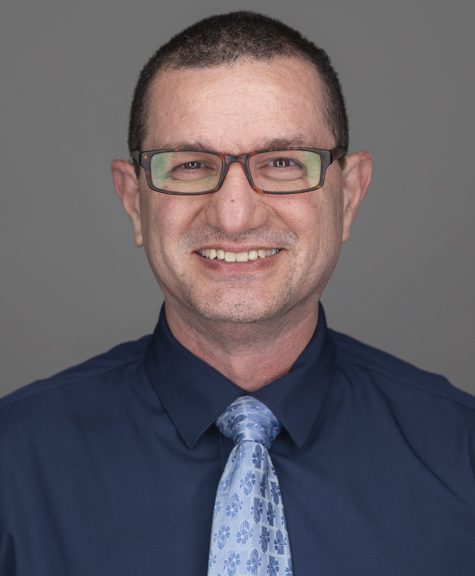
Dr. Issam El Naqa is a distinguished expert in medical physics, oncology, and machine learning. He is the Chair of the Machine Learning Department at Moffitt Cancer Center and a Professor at the University of South Florida. Holding a Ph.D. in Electrical & Computer Engineering, he has contributed extensively to radiotherapy, radiomics, and AI in oncology. He has secured numerous research grants, published over 200 papers, and mentored many students. A fellow of IEEE, AAPM, and AIMBE, he has received prestigious awards and holds editorial roles in major scientific journals. His research focuses on AI-driven clinical decision-making and adaptive radiotherapy.
Part 2: Perspective on How AI Could Impact Medical Physics Education and Practice
Abstract:
Artificial Intelligence in medical imaging involves development of quantitative analyses for task-based discovery, predictive modeling, and robust clinical translation, as well as methods to improve the efficiencies of the clinical practice workflow. In these AI developments, curated and representative data are essential so that the training data sets match the testing datasets as well as the intended population for the AI. This presentation will give a perspective on how AI could impact the education and clinical practice of medical physicists. In addition, it is essential for the medical physicist to be educated in AI and how it may affect routine clinical practice of medical physics. Also, it is beneficial to understand how AI could potentially change the current practice of medical physics.
Learning Objectives:
- Appreciate the role of data in the development, testing, and use of AI in medical imaging.
- Understand the impact that AI could have on medical physics education an clinical practice
- Learn the role of the medical physicist in clinical practices utilizing AI
Speaker: Maryellen Giger, PhD
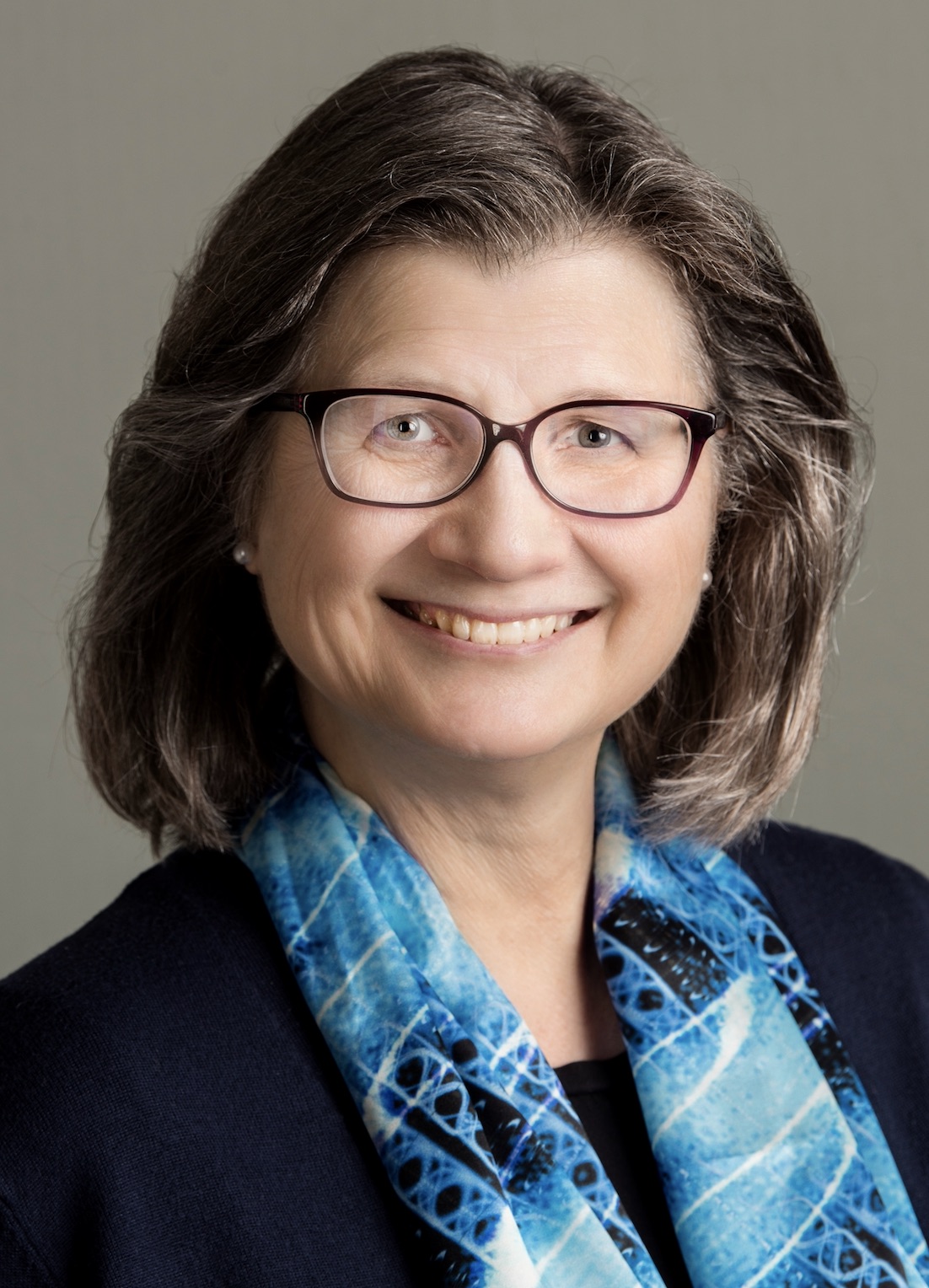
Dr. Maryellen L. Giger is the A.N. Pritzker Distinguished Service Professor of Radiology at the University of Chicago, specializing in medical physics, imaging science, and AI applications in radiology. A leader in computer-aided diagnosis, she has contributed extensively to breast cancer detection and risk assessment. She has held numerous leadership roles, including past President of AAPM and SPIE. A fellow of IEEE, AIMBE, and RSNA, she has received multiple prestigious awards. Dr. Giger has published extensively, secured significant research funding, and mentored many students, making significant contributions to radiomics, quantitative imaging, and AI-driven precision medicine.
8 May 2025 (IMPW 2025 - Day 4): AI and its Ethical and Legal Implications in Medical Physics
Thursday, 8 May 2025 at 12 pm GMT; Duration 1 hour
To check the corresponding time in your country please check this link:
https://greenwichmeantime.com/time-gadgets/time-zone-converter/
1 CPD point is applied to this event.
Organizer: Kwan Hoong Ng, IOMP Awards and Honours Committee Chair
Moderators: Magdalena Stoeva and Simone Kodlulovich
Speakers: Sharon Kaur, Kwan Hoong Ng, Egor Eitovich
Talk 1: Basic Legal and Ethical Issues relating to the use of AI in Medicine
Abstract:
I will present some of the potential legal and ethical challenges posed by the use of AI in medicine, I will focus on the use of AI in the delivery of healthcare and also touch on some issues relevant to the use of AI in health research.
Speaker: Assoc. Prof. Dr. Sharon Kaur, Faculty of Law, Universiti Malaya, Kuala Lumpur, Malaysia
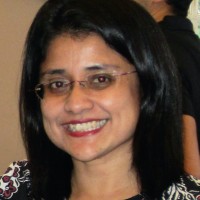
Sharon is an Associate Professor at the Faculty of Law, Universiti Malaya, where she has designed modules on healthcare law and ethics at both undergraduate and postgraduate levels, including a number of modules on the Masters of Health Research Ethics (MOHRE) at the Faculty of Medicine. Her education includes an undergraduate law degree (Cardiff University), master’s degree in Medical Law and Medical Ethics (Kings College, London) and PhD in Bioethics (University College London). Sharon’s research interests primarily revolve around medical research ethics and global health issues. She is the PI on a Wellcome funded project, “Developing a Southeast Asia Bioethics Network”. One of the thematic research areas of this project is to explore challenges and opportunities presented by emergent health and biomedical technologies.
Talk 2: Ethical Issues in the Deployment of AI in Medicine
Abstract:
Integrating AI into medicine introduces ethical challenges, including data privacy, autonomy, trust, and accountability. Algorithmic and data biases may perpetuate healthcare disparities and inequality. Developing ethical frameworks and regulations is essential to guide AI deployment in upholding patient dignity and societal equity. I will introduce several current guidelines for ethical AI development and provide some examples of ethical issues of AI development in medical imaging and medical devices.
Speaker: Emeritus Professor Dr. Kwan Hoong Ng, Department of Biomedical Imaging, Faculty of Medicine, Universiti Malaya, Kuala Lumpur, Malaysia
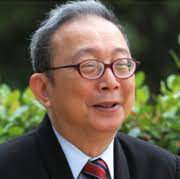
Dr. Ng is an Emeritus Professor at the Department of Biomedical Imaging, Universiti Malaya. He graduated with an MSc (Medical Physics) University of Aberdeen and a PhD (Medical Physics) Universiti Malaya. He qualified with the American Board of Medical Physics. He received the Marie Skłodowska Curie Award by the IOMP (2018) for his outstanding contribution to research, education and leadership. In 2013 he was listed as one of the top 50 medical physicists in the world by IOMP. He contributes to research in medical imaging, radiological safety, computer applications in medicine, and risk communication. He has co-authored over 300 papers in peer-reviewed journals and more than 15 books.
Professor Ng has been a consultant/ expert with the IAEA and WHO. He established the ASEAN College of Medical Physics (ACOMP) and the South East Asian Federation of Organizations of Medical Physicists (SEAFOMP), co-founded the Asia-Oceania Federation of Organizations of Medical Physicists (AFOMP), and the AsiaSafe (AOSR). He is the chair of the Awards and Honours Committee (IOMP).
Talk 3: AI and Ethics in Medical Physics, and the Context of IAEA Activities
Abstract:
This presentation explores the intersection of artificial intelligence and ethics in medical physics, as advanced through IAEA and other international organisations activities. It outlines the evolving roles and responsibilities of clinically qualified medical physicists in safely implementing AI-based tools in radiation medicine. Emphasis is placed on the theoretical foundations, rigorous risk management, adequate quality assurance, and ethical safeguards. The discussion highlights the need for appropriate education and continuous professional development to ensure AI’s safe, responsible, and effective clinical implement.
- Understand the Ethical and Legal Challenges of AI in Medicine.
- Appreciate the Legal Implications of AI Deployment in Healthcare.
- Be Acquainted with Legal and Ethical Guidelines for AI in Healthcare.
- Explore the intersection of AI and ethics in medical physics, as advanced through the IAEA.
Speaker: Dr. Egor Titovich, Dosimetry and Medical Radiation Physics Section, Division of Human Health, Department of Nuclear Sciences and Applications, International Atomic Energy Agency (IAEA)
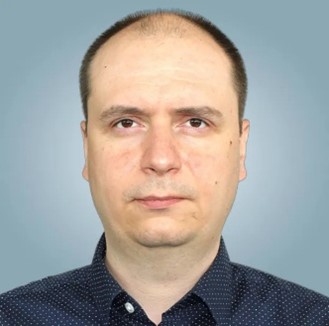
Dr. Titovich has over 15 years of experience advancing cancer treatment through radiation technology. With a background as a biomedical engineer, an MSc in Medical Physics, and a PhD in Dosimetry, he has managed more than 50 professionals and oversaw the installation of high-tech RT equipment worth 30 million euros. Egor has trained over 300 specialists across Europe and Asia and conducted thousands of dosimetric measurements. Currently serving as the Database Officer in Medical Physics at the IAEA in Vienna, he has significantly enhanced data workflows and quality in the Dosimetry Audit database, improving collaboration with hospitals and laboratories worldwide. His involvement in AI applications includes contributing to a pioneering IAEA publication in AI in MP and co-directing a major AI workshop. Egor envisions accessible, high-quality, safe and equitable radiotherapy services for all patients, regardless of geographic location or economic status.
9 May 2025 (IMPW 2025 - Day 5): Potential of AI on Nuclear Medicine Imaging and Therapy
Friday, 9 May 2025 at 12 pm GMT; Duration 1 hour
To check the corresponding time in your country please check this link:
https://greenwichmeantime.com/time-gadgets/time-zone-converter/
1 CPD point is applied to this event.
Organizer: Chai Hong Yeong, IOMP MPWB Chair
Moderators: Ibrahim Duhaini and Francis Hasford
Speakers: Kuangyu Shi, Ph.D and Axel Rominger, M.D.
Abstract:
Recent advances in instrumentation and radiopharmaceutical therapy (RPT) present new opportunities for nuclear medicine. However, the increasing complexity and data volume of these advancements makes fully exploring their potential more challenging. Artificial intelligence (AI) offers a promising tool to address these challenges. AI can assist in optimizing signal processing and image reconstruction, enhancing imaging quality while reducing radiation exposure. It can also improve diagnosis and prognosis in nuclear medicine imaging, facilitating tasks such as differential and early diagnosis. Additionally, AI has the potential to support the development of treatment planning tools for RPT, including simplified dosimetry procedures and pre-therapy dose prediction. This talk will explore the role of AI in imaging optimization, diagnostic assistance, and treatment planning from several developments from Bern. We will also discuss the challenges of AI implementation in nuclear medicine and the transformative potential of knowledge-guided AI in theranostics.
Learning Objectives:
- Understand the potential of AI in the optimization of nuclear medicine imaging.
- Understand the potential of AI in personalized radiopharmaceutical therapy.
- Understand the concept of knowledge-guidance for trustworthy AI.
Speaker 1: Kuangyu Shi, Ph.D
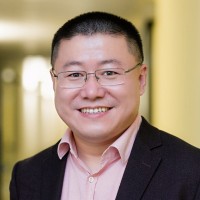
Prof. Kuangyu Shi is the Chief Medical Physicist and Head of the Lab for Artificial Intelligence and Translational Theranostics at the Department of Nuclear Medicine, University of Bern, Switzerland. Additionally, he is a senior lecturer at the Computer-aided Medical Procedure, School of Computation, Information & Technology at the Technical University of Munich, Germany. He did his Master and PhD at Max-Planck Institute for Informatics (2003-2008), Germany. Then he moved to Dept. Nuclear Medicine, Technical University of Munich for postdoctoral research and worked as subgroup leader from 2012 to 2018. On May 2018 he completed habilitation at Dept. Informatics, Technical University of Munich. His research is centered on advancing artificial intelligence and computational modeling techniques for nuclear medicine imaging, dosimetry and therapy, aiming to link the outcomes with underlying pathophysiological processes. Additionally, he is dedicated to developing both in vivo and ex vivo experimental methods, pushing the boundaries of microscopic nuclear imaging. His work has been recognized with the young investigator award of the Society of Nuclear Medicine and Molecular Imaging (SNMMI) and the Roger Perez Award of the European Association of Nuclear Medicine (EANM). He is currently a member of the AI committee of EANM, Task Group 36 of the International Commission on Radiological Protection (ICRP), and serves as an associate editors of Eur J Nucl Med Mol Imaging, EJNMMI Physics, IEEE TRPMS and Nuklearmedizin.
Speaker 2: Axel Rominger, M.D.
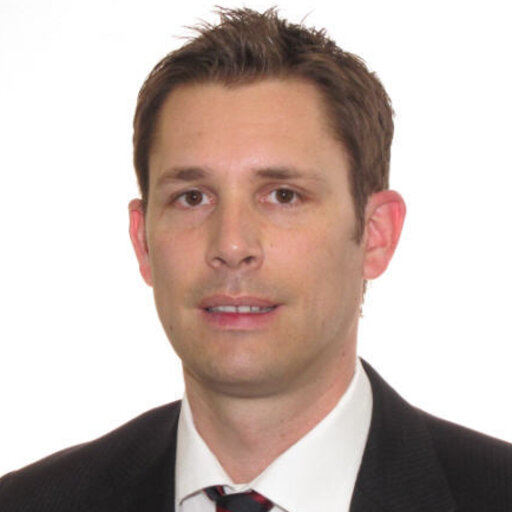
Axel Rominger, MD, is a Full Professor of Nuclear Medicine at the University Hospital in Bern, as well as Chairman of the Department of Nuclear Medicine at Inselspital. From 2007 until 2018 he worked at Ludwig Maximilian’s University of Munich, where he served as deputy director for 5 years. During this period he won several national and international research awards.
His research interests focus on the constant improvement of PET imaging capabilities with emphasis in the neurological and oncological fields. To fully translate developments into clinical practice, he has established interdisciplinary research groups for artificial intelligence, biomedical engineering, and radiopharmaceutical research within the Department of Nuclear Medicine.
In 2020, his department received the world’s first large axial field-of-view PET scanner from Siemens, which provides new opportunities for research and clinics due to its high sensitivity, axial coverage, and fast time of flight performance. To accelerate research on total body PET imaging, he has established numerous international collaborations.
He serves as the principal investigator and co-principal investigator on several grants, both preclinically and clinically, in the fields of oncology and neuroscience. He is author of more than 300 peer-reviewed publications and he serves as associate editor of the EJNMMI journal.
7 March 2025: International Women’s Day with Medical Physics Professionals Across the Continents
7 March 2025 at 12 pm GMT; Duration 1 hour
1 CPD/CME point is applied to this event.
Organizer: Loredana Marcu
Moderators: Loredana Marcu and Eva Bezak
Talk 1: Status of Women Medical Physicists in the US and the AAPM
Speaker: Jennifer Pursley, Mayo Clinic Department of Radiation Oncology

Dr. Pursley received her PhD in experimental particle physics from Johns Hopkins University working on the Collider Detector at Fermilab and spent three years as a postdoc on CDF before entering the Harvard Medical Physics Residency Program. After residency, she joined as faculty in the Department of Radiation Oncology at Massachusetts General Hospital and Harvard Medical School. At MGH, Dr. Pursley served as the physics lead of photon treatment planning and started the CT-guided online adaptive therapy program. Dr. Pursley is now a faculty physicist in the Department of Radiation Oncology at the Mayo Clinic in Rochester, MN. She has been a member of the American Association of Physicists in Medicine (AAPM) Women’s Professional Subcommittee (WPSC) since 2014 and became Chair of the WPSC in 2023.
Abstract:
In this talk, I’ll give an overview of the history and growth of women medical physicists in the US, with statistics from AAPM, the American Association of Physicists in Medicine. Although the number of women medical physicists continues increasing, their representation in various leadership positions is not keeping pace. The AAPM’s annual salary survey also shows evidence of a gender pay gap. I’ll discuss some possible contributing factors to these findings and suggestions for how current leaders can make a change. The Women’s Professional Subcommittee (WPSC) of the AAPM was formed in 2010 to support women’s career development and I will highlight the efforts of this group and their impact.
Talk 2: Empowering Women’s Leadership in Medical Physics: Challenges and Opportunities in Asia
Speaker: Chai Hong Yeong, School of Medicine, Faculty of Health and Medical Sciences, Taylor’s University, Malaysia
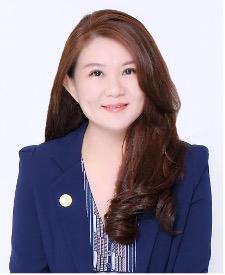
Dr. Yeong is a Professor of Medical Physics at Taylor’s University. She is the current President of the Southeast Asia Federation of Organizations for Medical Physics (SEAFOMP), Chair of the Medical Physics World Board (MPWB) of the IOMP, IOMP Accreditation Board Member, Committee Member of the Professional Relations Committee of the Asia-Oceania Federation of Organizations for Medical Physics (AFOMP), and a co-Founder of the ASEAN College of Medical Physics (ACOMP). She is also an IAEA expert for multiple IAEA Task Groups and regional activities. She was a member of the IOMP Women Sub-Committee from 2018-2021. She received the IUPAP Early Career Scientist Award in 2021, SEAFOMP Young Leader Award in 2017, and Taylor’s President Award in 2019. Her research areas focus on theranostic nuclear medicine, interventional radiology and radiation protection. She currently owns 4 patents and has published more than 100 journal articles, 2 academic books and 2 book chapters. She is the Editor of the e-Medical Physics World (eMPW) Bulletin and IOMP Newsletter. She also serves as a reviewer for several international renowned journals.
Abstract:
The representation of women in medical physics in Asia has grown significantly, yet challenges remain in achieving gender equity in leadership and research. This talk will explore the current status of women in the field across the region, highlighting both the progress made and the barriers still faced. Drawing on experiences from SEAFOMP, AFOMP, and international collaborations, I will discuss how regional organizations play a crucial role in empowering women through mentorship, networking, and professional development. Success stories of women leaders in medical physics will be shared, along with strategies to foster greater inclusion and representation in leadership positions. Finally, I will outline actionable pathways for supporting the next generation of women scientists and medical physicists in Asia, ensuring a more equitable and innovative future for the profession.
Talk 3: Leading with Purpose: Navigating Challenges and Embracing Opportunities as a Young-Career Medical Physicist in Europe
Speaker: Oleksandra Ivashchenko, University Medical Center Groningen, The Netherlands
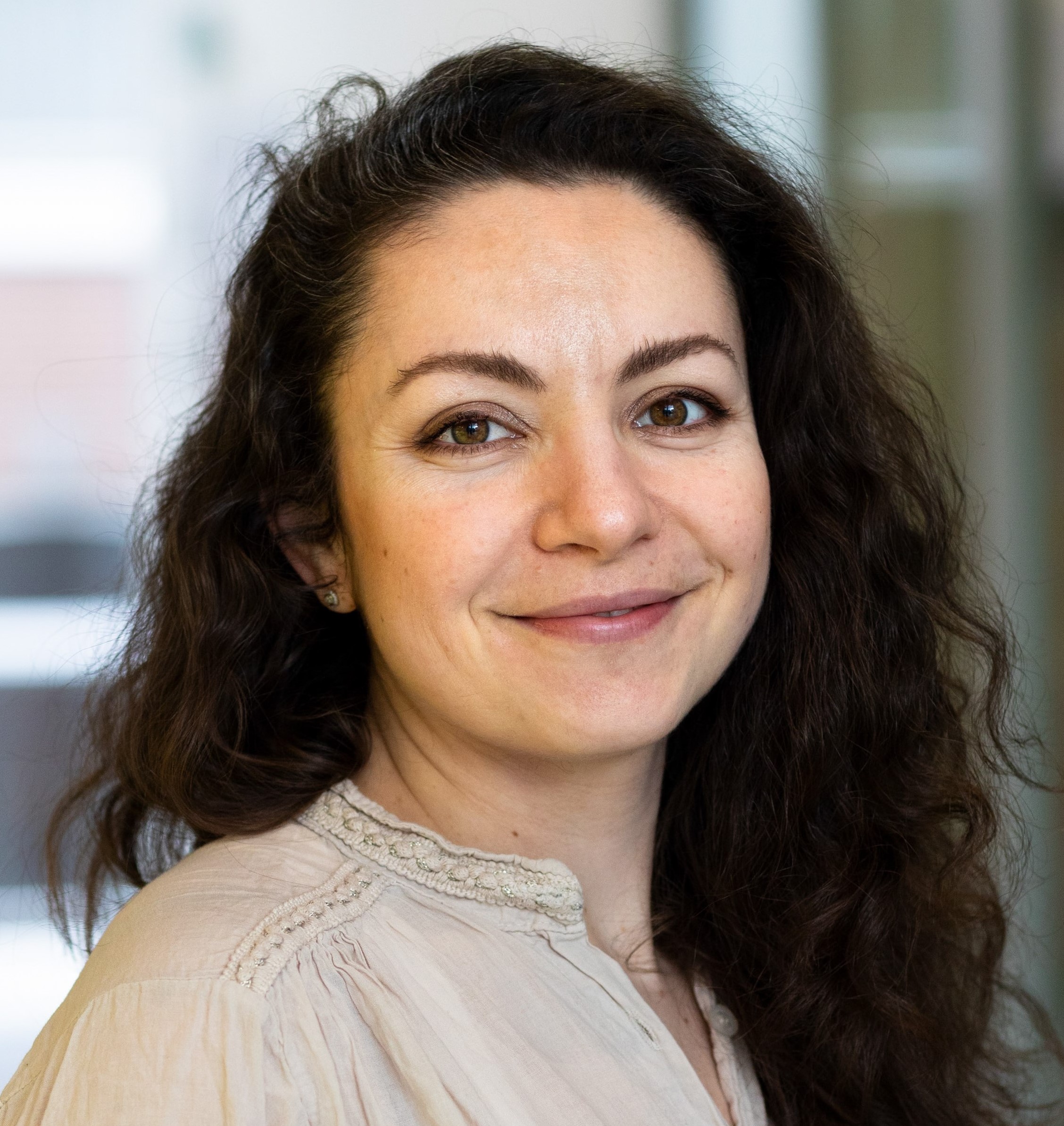
Dr. Oleksandra Ivashchenko is a medical physicist specializing in nuclear medicine and molecular imaging. She earned her MSc in Applied Physics from Taras Shevchenko National University of Kyiv in 2012, followed by a PhD in Applied Physics from TU Delft in 2017. Currently, she works at the University Medical Center Groningen in the Netherlands, focusing on personalized dosimetry and radiation safety within nuclear medicine. Beyond her research, Dr. Ivashchenko is deeply involved in humanitarian efforts. In 2022, she co-founded the #ScienceForUkraine initiative, which supports Ukrainian scientists and students affected by the war. This volunteer-driven organization has provided assistance to over 1,000 individuals, including employment and academic transfers. Her contributions have been recognized with several awards, including the 2022 MCAA Social Impact Award and the 2024 IUPAP Early Career Scientist Award in Medical Physics.
Abstract:
Join me for a talk on the unique challenges and exciting opportunities of being an early-career female medical physicist in Europe. I’ll discuss how navigating leadership roles as an international professional requires resilience, adaptability, and balancing scientific excellence. We’ll explore how embracing leadership can drive innovation, foster inclusivity, and inspire future generations of physicists. I’ll also share how my humanitarian work, particularly co-founding the #ScienceForUkraine initiative, has shaped my career, emphasizing how giving back strengthens networks, builds leadership skills, and enriches our sense of purpose.
29 January 2025: Meet the industry: Unlocking radiotherapy's potential through innovation
29 January 2025 at 12 pm GMT; Duration 1 hour
1 CPD/CME point is applied to this event.
To check the corresponding time in your country please check this link:
https://greenwichmeantime.com/time-gadgets/time-zone-converter/
Organizer: Magdalena Stoeva, SG IOMP
Moderator: John Damilakis, President IOMP
Speakers: Dr. Daniela Eulenstein, Dr. Hui Khee Looe
Title: RUBY – the modular QA phantom meets online adaptive radiotherapy
Speaker: Dr. Daniela Eulenstein, Research Scientist, PTW

Daniela Eulenstein has a Master’s degree in physics and a PhD in medical physics. She worked as a medical physicist at the radiotherapy department of the Pius Hospital in Oldenburg, Germany headed by Prof Bjoern Poppe. Since 2018, she works at PTW as a Research Scientist as part of the Product Management Team and is responsible for the RUBY Phantom.
Abstract: Online adaptive CT-based radiotherapy has rapidly expanded in recent years. These systems combine CBCT, automatic contouring, and automatic plan optimisation. This complex treatment technique requires robust quality assurance, especially an end-to-end test that accounts for its unique features. To address this challenge, PTW has developed a phantom for quality assurance of online adaptive CT-based radiotherapy systems. This phantom includes a new insert for the RUBY product family, facilitating the insertion of different organ sets and positioning of anthropomorphic structures within the RUBY phantom. In the webinar, based on the example of the Varien ETHOS system, a possible workflow of an online adaptive end-to-end test will be presented to demonstrate the possibilities of the new RUBY adaptive phantom.
Title: LAP LUNA 3D Surface Guided Radiotherapy System
Speaker: Dr. Hui Khee Looe, Deputy Head of Medical Physics, Pius-Hospital, Oldenburg, Germany
 Dr. Looe is the Deputy Head of Medical Physics at Pius-Hospital in Oldenburg, Germany and a scientist in the “Medical Radiation Physics” group at the University of Oldenburg. As part of this working group, he undertakes clinical, teaching and research activities, leading the research group focusing on mathematical and computational methods in dosimetry. He also improves patient positioning using Surface Guided Radiation Therapy (SGRT). As part of these activities, he works with the LUNA 3D SGRT system from LAP.
Abstract: Surface-guided radiation therapy (SGRT) has evolved into standard-of-care in modern radiotherapy practices. Besides offering dose-less, marker-free patient positioning guidance, such a system allows for real-time monitoring and advanced respiratory motion management. Recently, a new SGRT system has been launched. This presentation will describe the testing, implementation, and clinical evaluation of the novel SGRT system LUNA 3D (LAP, Germany). The system was installed at a C-arm linac (Synergy, Elekta). The acceptance tests were implemented according to the ESTRO-ACROP guideline. Both static and dynamic accuracies have been evaluated using the EASY CUBE phantom in combination with a translational and dynamic platform. The End-to-End (E2E) testing using the RUBY phantom (PTW, Germany) was adapted to accommodate the laser-free positioning. Clinical evaluations were performed by comparing the patient positioning using LUNA 3D and lasers and the necessary CBCT-based corrections. All test results lie within the manufacturer’s specifications and ESTRO guideline tolerances. A clinical comparison of LUNA 3D with lasers and CBCT positionings shows the system can provide accurate patient positioning guidance.