

Sep
17
2026
📋 Register now
⌄
Addressing the most complex challenges in medicine increasingly requires collaborative approaches that extend beyond the capabilities of individual laboratories, institutions or countries. As part of its strategic vision, the IOMP Science Committee, in partnership with leading medical physics organisations, has embarked on an ambitious initiative to help establish and coordinate global medical physics consortia aimed at tackling some of the most pressing and complex problems in healthcare — drawing inspiration from transformative large-scale scientific collaborations such as the Large Hadron Collider and the Human Genome Project.
This IOMP webinar will present key insights from the International Medical Physics Science Workshop convened by the AAPM International Council and Science Council in 2025, examining how consortium models and open science practices can accelerate discovery and generate greater scientific impact in the physical sciences in medicine. Particular emphasis will be placed on the defining characteristics of successful collaborative networks: shared vision, voluntary interdependence, multidisciplinary integration, and open scientific exchange.
The webinar will also highlight the inaugural Physical Sciences in Medicine Workshop 2026, organised in partnership with the International Centre for Theoretical Physics (ICTP), which brings together leading researchers worldwide to address a grand challenge in oncology: the development of integrated predictive frameworks capable of anticipating tumour evolution, treatment response, toxicity, and disease recurrence.
- Understand the principles and value of scientific consortia and open science models for addressing grand challenges in medicine.
- Identify key lessons from international collaborative research initiatives and their application to medical physics.
- Describe current efforts to develop global, predictive oncology frameworks through the Physical Sciences in Medicine initiative and related international partnerships.
▼ Presenter biography

▼ Presenter biography

▼ Presenter biography

Oct
15
2026
📋 Register now
⌄
▼ Abstract
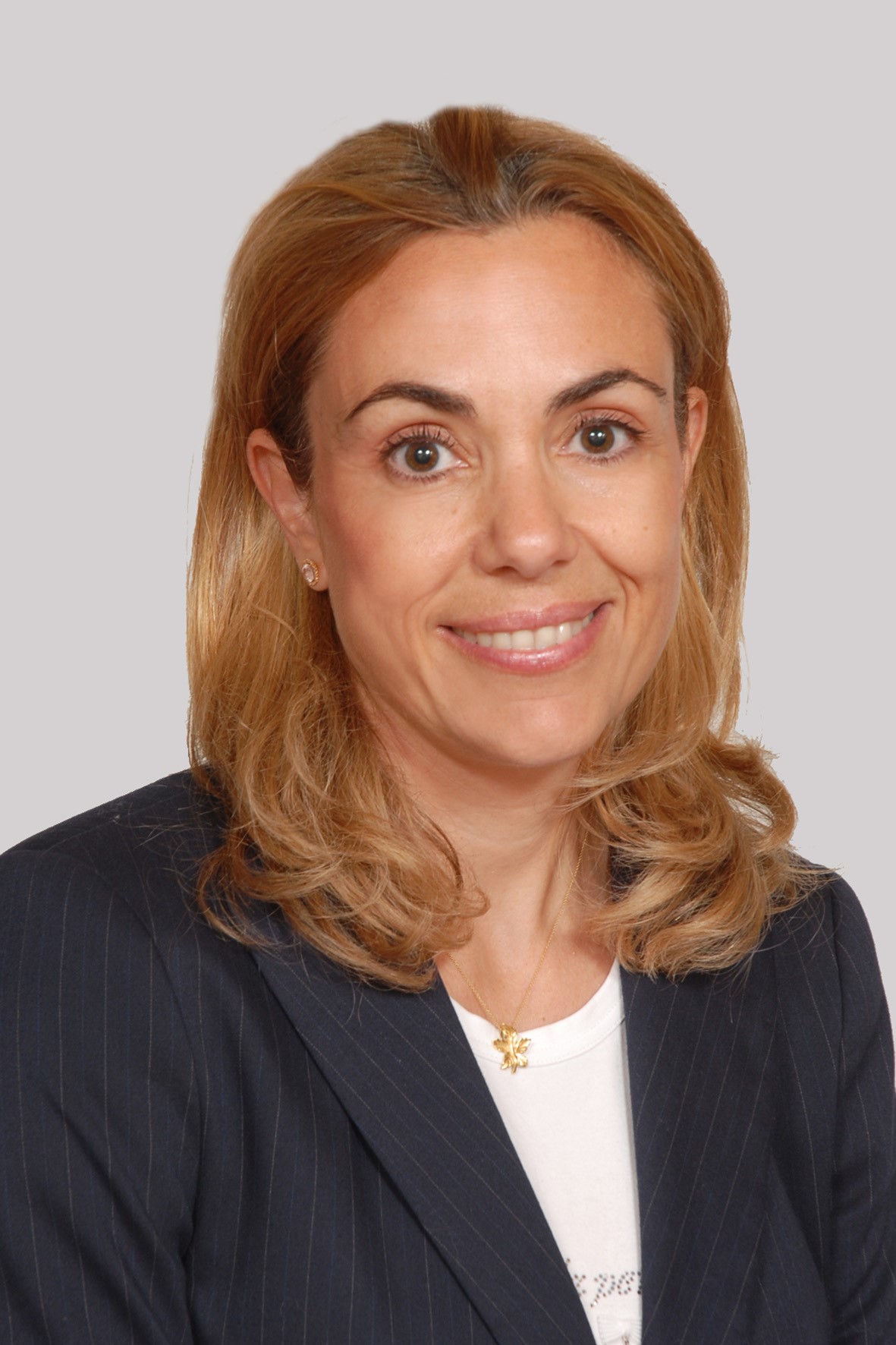
Quality assurance (QA) is essential for maintaining equipment performance and ensuring quality and safety in diagnostic radiology. Beyond regulatory compliance and periodic equipment testing, QA can play an important role in everyday clinical practice by supporting consistent image quality, early identification of equipment or workflow-related issues, optimisation of imaging protocols, and reliable clinical performance.
However, the implementation of comprehensive QA programmes may be limited by access to medical physics expertise, dedicated commercial phantoms and software, as well as the resources required for frequent testing, data collection, analysis and reporting. Free, open-source, remote, and automated QA tools therefore have considerable potential to strengthen QA programmes and integrate quality assurance more closely into routine clinical practice rather than treating it as an isolated periodic activity. By enabling timely performance monitoring, objective analysis, and evidence-based intervention, these tools can contribute to more consistent, efficient, and sustainable radiology services.
Initiatives from organisations such as the International Atomic Energy Agency (IAEA), together with the educational and professional network of the International Organization for Medical Physics (IOMP), can support the development, validation, dissemination, and sustainable implementation of such approaches across diverse healthcare environments.
This webinar will present currently available and emerging free tools and software for QA in radiology, highlight the benefits of open-source and automated approaches, and discuss their practical implementation in routine clinical practice.
- Appreciate the benefits of open-source code tools and automation of QA in radiology.
- Learn about the available solutions and on-going development of QA tools for different purposes.
- Understand how these tools and software are deployed in a practical radiology environment.
▼ Speaker biography
▼ Speaker biography

- Gain knowledge how to maintain a safe and effective treatment environment while operating under critical conditions.
- Evaluate opportunities for future international partnerships, capacity building, and humanitarian initiatives to improve access to safe and effective radiotherapy in vulnerable regions.
- Develop understanding of the basic principles of timely, transparent, empathetic and audience-centred communication that can counter misinformation in times of crisis.
▼ Abstract
▼ Speaker biography
▼ Abstract
▼ Speaker biography
▼ Abstract
▼ Speaker biography

▼ Abstract
▼ Speaker biography

▼ Abstract
▼ Speaker biography
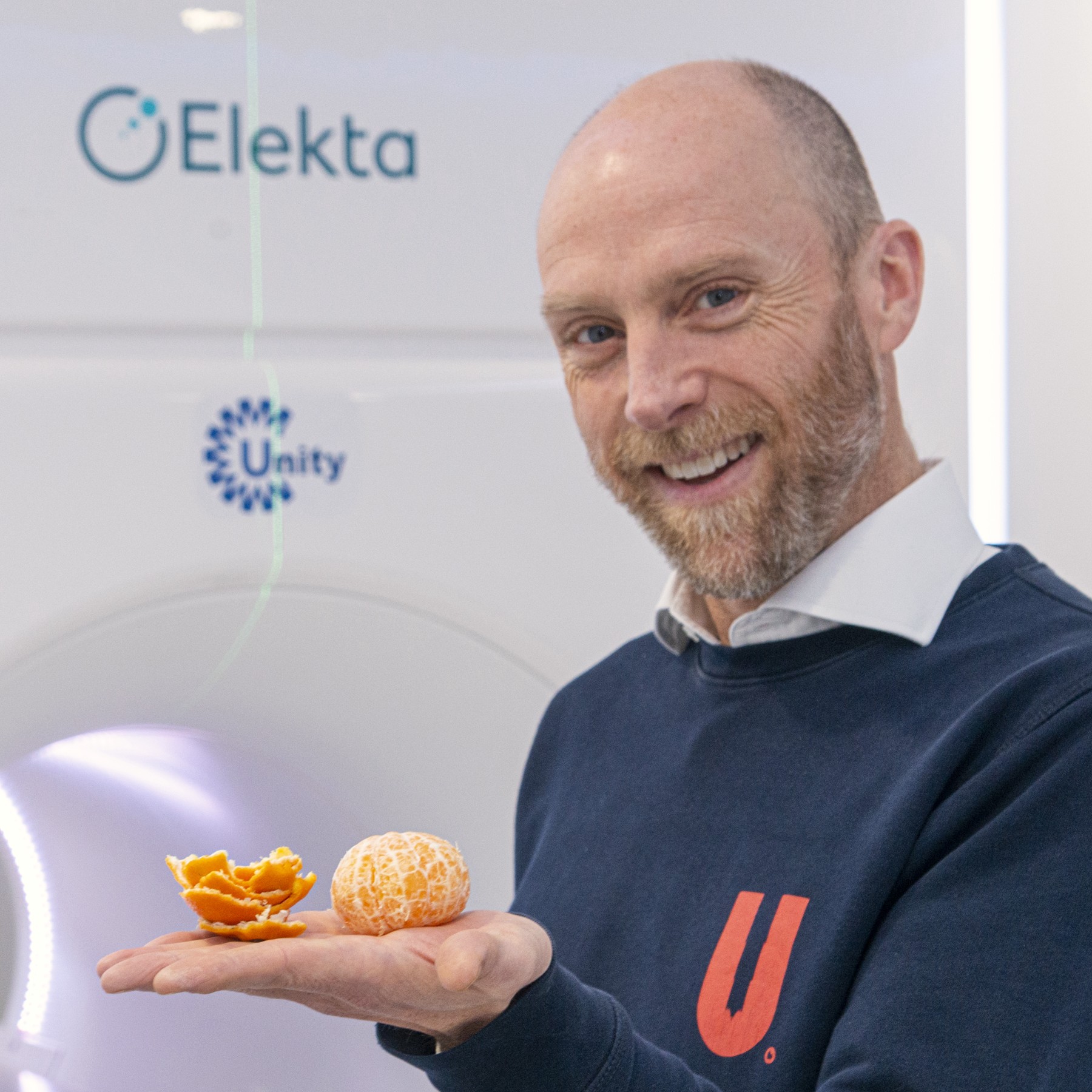
- Describe some of the oART systems in the world and some of their clinical advantages.
- Name one or more MRgART references that should be consulted prior to clinical implementation and use.
- Describe several limitations of MRgART systems.
- List three or more new critical elements and tests that apply to the Unity 1.5T MR-Linac.
▼ Abstract
▼ Speaker biography

- Scanners: Identify the wide variety of field strengths in MRI and the advantages and disadvantages of each.
- Sequences: Understand the main types of pulse sequences and how they are used to produce differing contrast.
- Safety: Identify the administrative controls used to ensure MR safety.
May
20
2026
⌄
▼ Abstract
This presentation outlines the testing, implementation, and clinical evaluation of LAP’s LUNA 3D SGRT installed on C-arm linacs. Acceptance testing was performed in accordance with the ESTRO-ACROP guideline, including End-to-end testing encompassing a laser-free workflow. Post-clinical implementation evaluation was performed, including a comparison of patient positioning achieved with LUNA 3D and a conventional laser-based setup. All test results were within manufacturer’s specifications and ESTRO guideline tolerances.
▼ Speaker biography

▼ Abstract
▼ Speaker biography
- Identify browser-based open-source tools designed to address common workflow gaps in radiation therapy planning.
- Describe how AI-assisted development can enable clinicians to build and share practical tools with the broader radiation therapy community.
Apr
20
2026
⌄
▼ Abstract
▼ Speaker biography

▼ Abstract
▼ Speaker biography

Apr
21
2026
⌄
▼ Abstract
▼ Speaker biography


Apr
22
2026
⌄
▼ Abstract
▼ Speaker biography


Apr
23
2026
⌄
▼ Abstract
▼ Speaker biography
Apr
24
2026
⌄
▼ Abstract
▼ Speaker biography



Mar
6
2026
⌄
▼ Abstract
▼ Speaker biography

▼ Abstract
▼ Speaker biography

▼ Abstract
▼ Speaker biography
Feb
9
2026
⌄
▼ Abstract
▼ Speaker biography
▼ Abstract
▼ Speaker biography

Jan
20
2026
⌄
▼ Abstract
The 6th edition of the EBAMP-accredited Data Analysis with Python for Medical Physics course (endorsed by EFOMP and IOMP) is planned for 29–31 October 2026 — see thepythoncourse.eu.
▼ Speaker biography